
Quick summary: Explore how Kenya’s wood exporters can achieve EUDR compliance through digital traceability, geolocation mapping, and blockchain verification. Learn how platforms like TraceX simplify Due Diligence Statement (DDS) creation, ensure deforestation-free sourcing, and future-proof wood exports to the EU market.
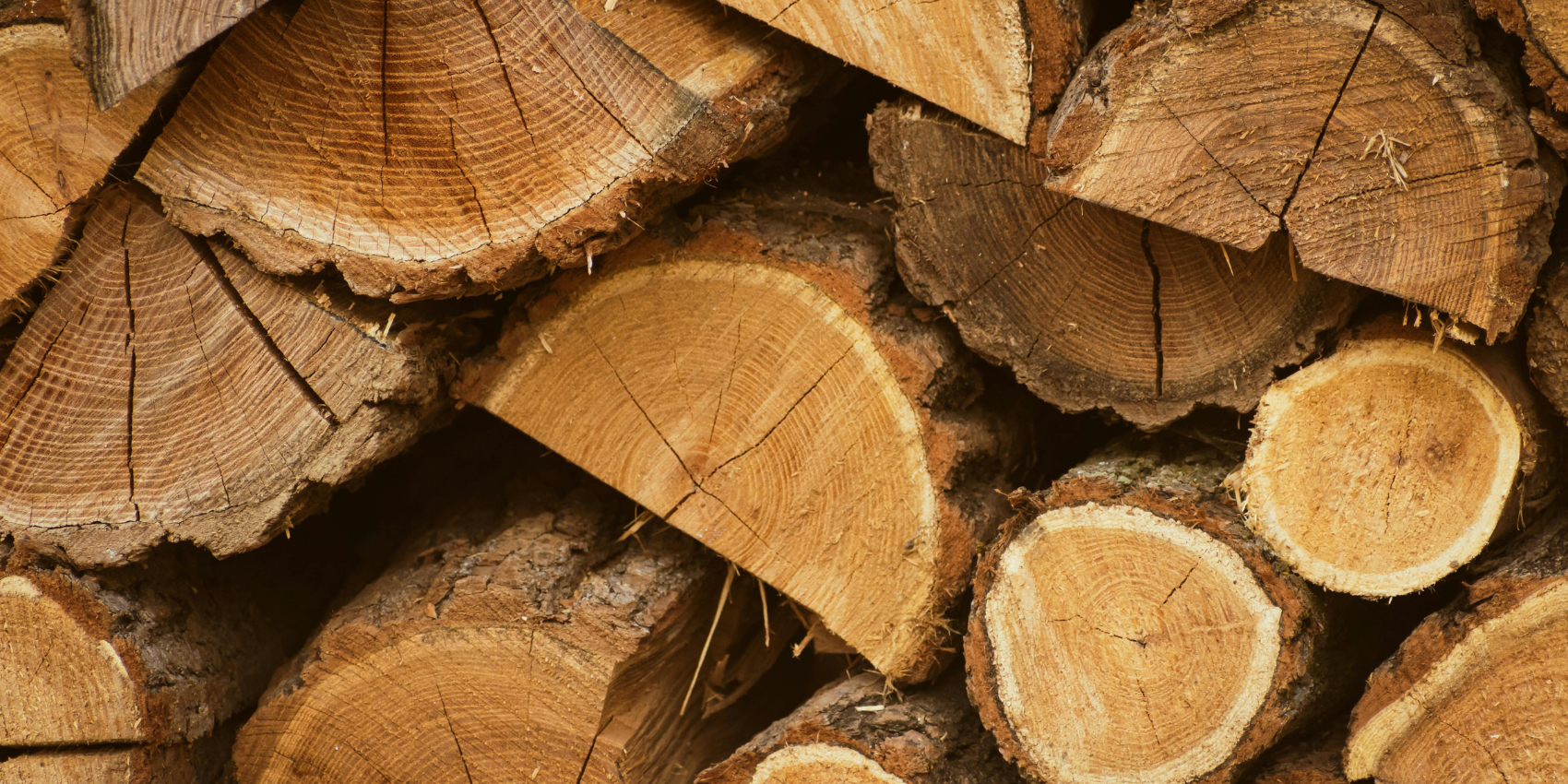
EUDR Compliance for Wood Exporters in Kenya requires operators to prove that all timber and wood-derived products exported to the EU are deforestation-free, legally sourced, and traceable to the exact forest plot of origin. Kenyan exporters must collect geolocation data, verify harvesting permits, validate chain-of-custody documentation, and submit an accurate Due Diligence Statement (DDS) via the EU system before shipment. Robust supplier mapping, legality verification, and digital traceability systems are essential for meeting EU market requirements and avoiding shipment delays or non-compliance risks.
Kenya is an important regional supplier of wood, timber, and paper-based products, exporting to the EU, Middle East, East Africa, and selected Asian markets. Key export categories include sawn timber, poles, veneers, plywood, wood charcoal, packaging paper, and paperboard products. Production is driven by both public and private forestry estates, community-owned forest blocks, smallholder woodlots, and industrial plantations concentrated in regions such as Rift Valley, Mount Kenya, Western Kenya, and parts of the Coast.
However, Kenya’s wood supply chain is highly decentralized, involving numerous smallholders, community forest associations (CFAs), private growers, and intermediaries. This fragmentation complicates traceability, legality assurance, and deforestation monitoring challenges that are magnified under the EU Deforestation Regulation (EUDR), which mandates plot-level transparency for all wood and wood-derived products entering the EU.
Under the EUDR, Kenya’s exports fall under key HS codes such as:
• HS 4401–4412 – Fuel wood, sawn timber, poles, veneer, plywood, fibreboard
• HS 4701–4703 – Wood pulp and mechanically/chemically processed pulp
• HS 4802–4811 – Uncoated/coated paper, kraft paper, packaging paper, and paperboard
With enforcement deadlines set for 30 December 2025 (large/medium operators) and 30 June 2026 (small/micro enterprises), Kenyan exporters must prepare for stringent compliance. This includes collecting accurate geolocation boundaries for forest plots, verifying harvesting legality, documenting chain-of-custody flows from forest to mill, and conducting deforestation-risk assessments across sourcing regions.
To maintain EU market access and strengthen Kenya’s reputation as a sustainable forestry producer, exporters must adopt digital traceability systems, geospatial plantation mapping, blockchain-enabled verification, and AI-driven land-use monitoring. These advancements will help Kenya demonstrate legally compliant, deforestation-free production and position the country as a reliable, responsible supplier in global wood and paper markets.
Want to understand how the EUDR reshapes sourcing, documentation, and traceability for global wood exporters?
Explore our in-depth blog on EUDR wood compliance
From geolocation mapping to multilayered supplier networks, EUDR compliance brings complex challenges for wood and timber exporters worldwide.
Read the blog on Key Challenges in Wood & Timber EUDR Compliance
Kenya’s wood sector is dominated by smallholder tree farmers, community forest associations (CFAs), private woodlots, and informal traders. Unlike vertically integrated forestry systems, Kenya’s supply chain is highly dispersed, making it extremely difficult to:
EUDR requires exporters to capture polygon-level coordinates for each forest plot supplying timber or wood-derived products. In Kenya, however:
Kenya’s forest resources involve mixed tenure systems: government forests, private plantations, community-managed forests, and smallholder plots. Exporters must verify:
Due to historical deforestation and forest degradation concerns, East African timber is often classified as medium-to-high risk. Under EUDR, Kenyan exporters must conduct:
In Kenya, timber from multiple smallholders is aggregated at:
Kenyan exporters must compile and validate:
Many suppliers still operate using paper-based systems. Challenges include:
Incorrect or incomplete Due Diligence Statements (DDS) may lead to:
Kenyan exporters must invest in:
EU importers now require:
Kenya’s wood export sector faces significant challenges under EUDR from fragmented supply chains and limited mapping capability to complex legality frameworks and the high cost of digital transformation. Achieving compliance will require digital traceability systems, forest-plot mapping, supplier digitalization, enhanced documentation workflows, and continuous risk monitoring. Exporters that adapt early will maintain EU access and strengthen competitiveness in global markets.
The EU Deforestation Regulation (EUDR) requires Kenyan exporters of timber, poles, veneer, plywood, pulp, and paper products to prove that all raw materials are legally harvested, deforestation-free, and fully traceable to the forest plot of origin. Given Kenya’s fragmented forestry landscape spanning smallholder woodlots, community forest associations (CFAs), private plantations, and multi-tier sawmills meeting EUDR obligations requires a modernized, digital-first compliance framework. The TraceX EUDR Compliance Platform delivers an integrated, AI- and blockchain-enabled solution that automates due diligence and ensures compliance across Kenya’s complex wood value chain.
TraceX connects woodlot owners, CFAs, private plantations, sawmills, processors, and exporters into a unified traceability ecosystem. Each log, pole, timber batch, veneer sheet, or paper input receives a unique digital ID linked to verified geolocation polygons, legality documents, and chain-of-custody data. This creates a transparent, tamper-proof record from forest plot to export container—fully aligned with EUDR requirements.
With mobile-enabled field tools, forest officers, CFA leaders, and sourcing teams can capture plot coordinates, harvesting permits, land-ownership documents, movement passes, and mill records directly at the source. TraceX automatically compiles this data into an EUDR-compliant Due Diligence Statement (DDS) for each export consignment, eliminating manual errors and accelerating EU submission and approval.
All harvesting, transport, processing, and export transactions are recorded on the TraceX blockchain ledger. This immutable digital trail provides EU buyers and regulators with verifiable evidence that Kenyan timber and pulp inputs are legally sourced and free from post-2020 deforestation. Blockchain guarantees data integrity even across highly decentralized wood supply chains.
Kenya’s wood sector depends heavily on thousands of smallholder farms, CFA-managed forests, and private woodlots. TraceX enables easy onboarding and polygon mapping of these suppliers across regions such as Rift Valley, Mount Kenya, Western Kenya, and the Coast. Each supplier profile includes compliance documents, land verification, and production records bringing full visibility to the smallest contributors in the chain.
TraceX integrates satellite imagery and AI-driven analytics to detect illegal harvesting, forest-loss alerts, land-use change, and encroachment risks in real time. Exporters receive automated risk scores and alerts, enabling proactive mitigation and continuous EUDR compliance. This is especially crucial in areas with community-managed forests and mixed-tenure landscapes.
TraceX acts as a secure digital compliance hub where CFAs, private plantations, sawmills, transporters, mills, exporters, auditors, and EU importers can share verified data. Standardized workflows reduce administrative burden, strengthen documentation accuracy, and ensure smoother regulatory reviews across the value chain.
With blockchain-backed traceability, AI-based risk detection, and automated DDS workflows, TraceX transforms EUDR compliance into a strategic differentiator for Kenyan exporters. Companies can demonstrate deforestation-free and legally verified sourcing, protect EU market access, and enhance Kenya’s standing as a responsible supplier of sustainable wood and paper products.

EUDR compliance represents a major operational shift for Kenya’s wood exporters, fundamentally changing how timber, poles, veneer, plywood, pulp, and paper products can enter the EU market. Under the EU Deforestation Regulation, Kenyan exporters must now prove with verifiable geospatial and legality evidence that every wood product originates from forests that have not been deforested or degraded after 31 December 2020 and that all harvesting activities comply with Kenyan laws on land tenure, forest permits, environmental approvals, and movement documentation.
For exporters, this means building end-to-end traceability systems capable of mapping the exact forest plot (polygon coordinates), verifying land ownership or user rights, and documenting all chain-of-custody movements from harvesting to transport, milling, and final export. EUDR also mandates submission of a Due Diligence Statement (DDS) for every shipment, requiring complete documentation, risk assessment, and negligible-risk verification before goods can be placed on the EU market.
Given Kenya’s highly decentralized wood sector dominated by smallholder woodlots, community forest associations (CFAs), private plantations, and multi-tier aggregators, compliance requires substantial supplier onboarding, digital data capture, and restructuring of sourcing workflows. Exporters must proactively engage farmers, CFAs, transporters, and sawmills to standardize legality documents, map forest plots, and integrate digital tools into traditionally manual processes.
EUDR compliance also brings strategic benefits. Kenyan exporters that invest early in digital traceability, legality verification, and geospatial monitoring can secure uninterrupted EU market access, avoid shipment rejection or delays, and differentiate themselves as credible suppliers of sustainable, responsible wood products. In the long term, compliance strengthens Kenya’s position in global forest-product markets, enhances ESG reporting, and promotes better forest management practices across the country.
In essence, EUDR compliance is not just a regulatory requirement it is a pathway to market security, operational modernization, and global competitiveness for Kenya’s wood exporters.
EUDR Compliance for Wood Exporters in Kenya is now essential for maintaining uninterrupted access to the EU’s high-value wood, pulp, and paper markets. By adopting digital traceability, geolocation mapping, legality verification, and automated DDS workflows, Kenyan exporters can confidently meet stringent EU requirements while strengthening transparency and operational efficiency. A robust EUDR strategy not only protects shipments from delays or rejection but also elevates Kenya’s reputation as a reliable source of sustainably managed forest products. Embracing compliance today positions Kenya’s wood sector for long-term growth, resilience, and global competitiveness.
Understand the key components of EUDR compliance and how to streamline your DDS process efficiently.
Read the blog on EUDR Due Diligence
Learn how AI-driven automation and intelligent workflows simplify data collection, verification, and reporting.
Explore the blog on Agentic AI for EUDR
Discover how digital onboarding bridges the gap between smallholders and EUDR compliance.
Read our blog: Smallholder Onboarding for EUDR Compliance
EUDR compliance requires Kenyan exporters to prove that all wood products are deforestation-free, legally sourced, and traceable to their plantation of origin before entering the EU market.
The EU is a major destination for Kenya’s wood exports. Compliance ensures continued market access, strengthens buyer trust, and positions exporters as sustainability leaders in the global value chain.
Kenyan exporters must map supply chains to the farm level, capture geolocation coordinates (GeoJSON), verify legal sourcing, and submit a Due Diligence Statement (DDS) via the EU portal before shipment.
Common challenges include fragmented smallholder networks, limited digital infrastructure, manual documentation, and lack of standardized traceability frameworks across the value chain.
Beyond meeting EU regulations, compliance drives supply chain transparency, builds brand credibility, enhances ESG performance, and opens access to premium global markets demanding sustainable wood for the Kenyan exporters.