
Quick summary: Explore the turmeric value chain from farm to global markets, covering cultivation, processing, traceability, quality control, and export compliance requirements.
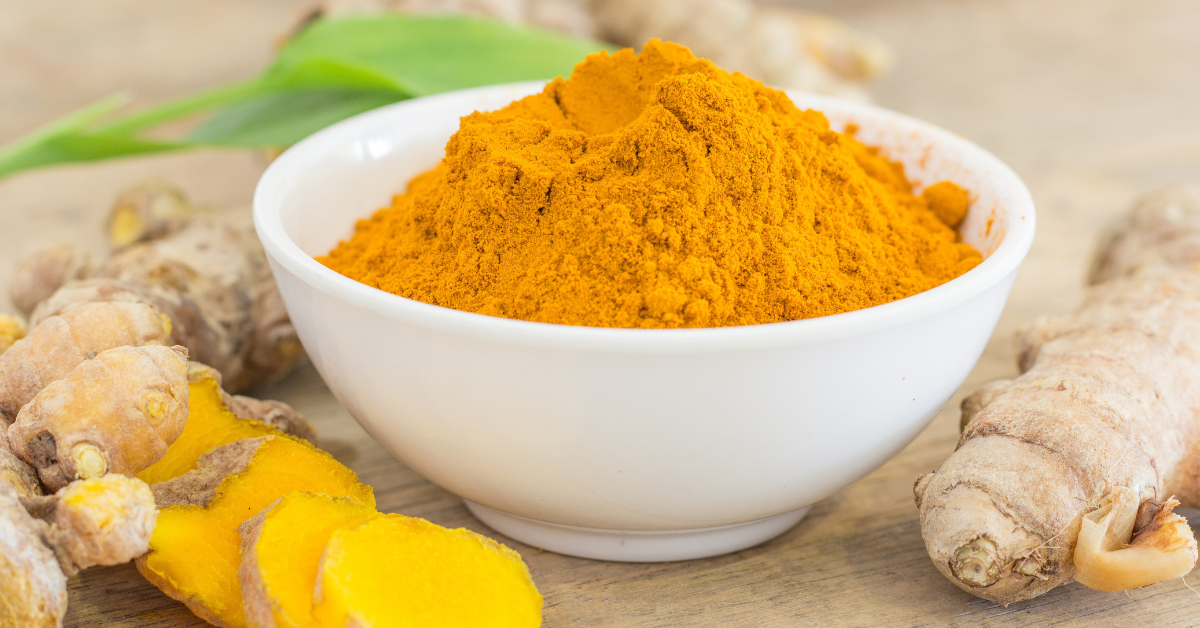
The Turmeric Value Chain covers the journey from cultivation and harvesting at farm level to processing, storage, and export to global markets. The “Golden Spice” is no longer just a kitchen staple; it is a multi-billion-dollar global commodity sitting at the intersection of agriculture, pharmaceuticals, and wellness. As of 2025, the global turmeric market is valued at approximately USD 6.24 Billion, with a projected CAGR of 6.5% through 2033.
However, for exporters and agribusinesses, the journey from a rural farm to a premium shelf in Berlin or New York is fraught with complexity. Regulatory hurdles, quality rejections, and the demand for “radical transparency” have made the traditional, fragmented supply chain obsolete.
It includes critical stages such as boiling, drying, polishing, grinding, and quality testing to ensure purity and safety. Effective traceability across the Turmeric Value Chain helps verify origin, prevent adulteration, meet food safety and residue regulations, and comply with international import standards. A transparent and well-managed Turmeric Value Chain enables exporters to access premium markets while ensuring consistent quality and regulatory compliance.
This guide provides a 360-degree deep dive into the Turmeric Value Chain, highlighting how digital transformation and platforms from TraceX are turning compliance into a competitive advantage.
The turmeric value chain is a multi-stage process where value is added and risks are introduced at every turn. Understanding this flow is the first step toward export readiness.
Everything starts with the rhizome. In major producing hubs like India (which supplies over 75% of global demand), cultivation is dominated by smallholder farmers.
Raw turmeric is perishable. To become an exportable commodity, it undergoes:
While whole turmeric is widely traded, the high-margin growth lies in value-added products:
C21H20O6
is isolated for pharmaceutical and nutraceutical use.
Learn how sustainable farming practices are reshaping spice production
Farm-level traceability is a critical foundation of the turmeric value chain, particularly as global buyers and regulators demand greater transparency, food safety, and sustainability assurance. Capturing verified data at the point of cultivation helps protect quality, ensure compliance, and strengthen market access.
Turmeric is highly vulnerable to adulteration due to its high demand and price variability. Farm-level traceability verifies the exact source of turmeric by linking produce to specific farms, plots, and growing regions. This makes it possible to confirm authenticity, prevent mixing with inferior or contaminated material, and ensure geographical integrity. Verified origin data also strengthens buyer trust and reduces the risk of shipment rejection due to mislabelling or quality concerns.
International markets impose strict limits on pesticide residues and contaminants in spices. Farm-level traceability enables exporters to track agrochemical usage, cultivation practices, and harvest timelines at the source. This data supports compliance with Maximum Residue Limits (MRLs), simplifies testing and audits, and helps identify and correct non-compliant practices early. Without traceability at farm level, residue risks are harder to manage and can lead to costly rejections.
Organic and sustainability certifications require documented proof of compliant farming practices. Farm-level traceability provides the records needed to demonstrate land history, input use, and adherence to environmental and social standards. It supports certification audits, ongoing compliance monitoring, and credible sustainability claims. For turmeric exporters, this alignment enables access to premium markets and reinforces long-term supply chain credibility.
In the global market, “quality” is defined by chemical composition. If your data doesn’t back up your claims, your shipment stays at the port.
Curcumin (C21H20O6) is the primary bioactive substance in turmeric. The pharmaceutical industry pays a premium for “extraction-grade” turmeric, but they require a Certificate of Analysis (CoA) to prove the concentration.
International markets, particularly the EU, have implemented “near-zero” tolerance for certain pesticides and contaminants like Ethylene Oxide (EtO) and heavy metals (Lead, Cadmium).
In 2024, nearly 15% of Indian spice export rejections were attributed to excessive pesticide residues or the presence of prohibited chemicals.
Processing is a critical stage in the turmeric value chain, where raw rhizomes are transformed into market-ready products such as dried fingers and turmeric powder. Each processing step adds value but also introduces quality and safety risks that must be carefully managed.
After harvest, turmeric rhizomes are boiled or cured to remove raw odor, reduce microbial load, and develop the characteristic color. The rhizomes are then dried to reduce moisture content and prevent spoilage. Polishing removes rough surfaces and enhances appearance, while grinding converts dried turmeric into powder for retail and industrial use. Proper control of time, temperature, and hygiene at each step is essential to preserve curcumin content and product quality.
Processing stages pose risks of contamination from microbes, foreign matter, heavy metals, or unauthorized additives. Poor drying can lead to mold growth, while grinding and polishing increase the risk of cross-contamination if equipment is not properly cleaned. Regular quality checks, hygiene protocols, and testing are required to meet food safety standards and buyer specifications.
Batch-level tracking links processed turmeric back to specific farm or procurement lots. By assigning unique batch IDs at each processing stage, exporters can maintain traceability, manage recalls, and demonstrate compliance during audits. This level of control ensures consistent quality, reduces risk, and supports regulatory and certification requirements.
After processing, proper storage, packaging, and transportation are essential to preserve quality, maintain food safety, and protect traceability within the turmeric value chain. Weak controls at this stage can compromise product integrity and lead to export rejections.
Turmeric is highly sensitive to moisture, which can cause mold growth, caking, and quality deterioration. Storage facilities must maintain controlled humidity and ventilation to keep moisture levels within acceptable limits. Pest prevention is equally critical, as insects and rodents can contaminate turmeric during storage. Clean warehouses, sealed containers, and regular inspections help prevent infestation and protect product quality throughout storage and transit.
Maintaining traceability beyond processing is essential. Each batch of turmeric must be clearly labelled and tracked as it moves through warehouses, transport vehicles, and distribution centres. Documentation such as batch IDs, storage locations, transport records, and handling logs ensures continuity of traceability. This enables quick identification of affected lots in case of quality issues, audits, or recalls.
Export markets require turmeric to be packaged in materials that protect against moisture, contamination, and physical damage. Packaging must comply with food safety regulations and buyer specifications, including proper labeling, lot identification, and country-of-origin information. Export-ready packaging not only preserves product quality but also reinforces compliance, traceability, and buyer confidence.
Navigating global trade requires more than just a phytosanitary certificate. New regulations have redefined the “cost of entry.”

The turmeric value chain faces several structural and operational challenges that affect quality, transparency, and market access. These challenges are especially pronounced in export-oriented supply chains where compliance and consistency are critical.
Turmeric is predominantly grown by smallholder farmers, often spread across different regions with varying farming practices. This fragmentation makes it difficult to standardize cultivation methods, input usage, and harvesting timelines. Aggregating turmeric from numerous small farms increases complexity in quality control, traceability, and documentation, particularly when farm-level records are limited or inconsistent.
High demand and price pressures have made turmeric vulnerable to adulteration and quality manipulation. Mixing turmeric from different origins, adding unauthorized substances, or processing under poor hygiene conditions can lead to inconsistent color, curcumin levels, and safety risks. These issues undermine buyer confidence and increase the risk of shipment rejections, recalls, or regulatory penalties.
Many turmeric supply chains rely on manual records or informal transactions, resulting in significant data gaps. Limited visibility into farm practices, agrochemical use, processing conditions, and batch movement weakens compliance with food safety and sustainability standards. Without reliable traceability, it becomes difficult to verify origin, manage risks, or respond effectively to audits and buyer requirements.
See how a bioneutraceutical company used traceability to secure compliant, high-purity turmeric and ashwagandha extracts
Traditional supply chains are plagued by “data leaks” paper records get lost, batches get mixed, and origins become blurred. TraceX’s blockchain-powered sustainable Sourcing platform designed to plug these leaks.
| Problem | The TraceX Solution |
| Pesticide Rejections | Digital Input Tracking: Field agents record every pesticide application on a mobile app, ensuring MRL compliance before the harvest even starts. |
| Manual Audits | Audit-Ready Dashboards: Generate a full traceability report and CoAs for a specific batch in one click, reducing audit prep time by 90%. |
| Land Risks | Polygon Mapping: Built-in satellite integration verifies that the turmeric was grown on non-deforested land. |
| Smallholder Inefficiency | Offline-First Field Apps: Field teams can capture data in remote, rural regions with zero connectivity; data syncs once they hit the grid. |
| Buyer Trust | Immutable Ledger: Using blockchain ensures that once data is entered, it cannot be tampered with, providing an “unshakeable” record for global buyers. |
The turmeric value chain includes cultivation, harvesting, processing, storage, transportation, and export, ensuring turmeric meets quality, safety, and regulatory standards for global markets.
Traceability helps verify origin, prevent adulteration, ensure pesticide and residue compliance, and meet international food safety and sustainability requirements.
Key challenges include smallholder fragmentation, quality inconsistencies, adulteration risks, lack of traceability, and compliance with strict import regulations.