
Quick summary: he global textile industry is driven by a handful of countries that dominate exports through scale, innovation, and integrated supply chains. This blog explores the top textile exporters, their export strengths, market share, and the key trends shaping global textile trade.
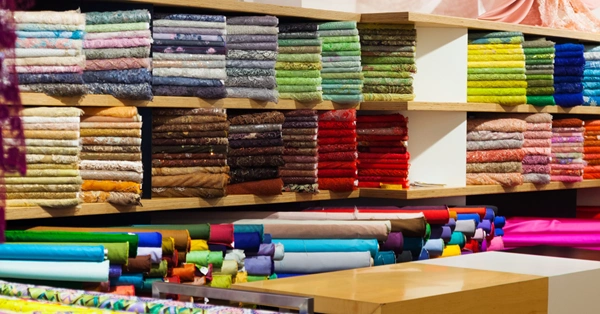
The global textile market is valued at hundreds of billions of dollars, with a handful of countries accounting for the majority of exports. The textile industry is one of the largest manufacturing sectors in the world, supporting millions of jobs and contributing significantly to international trade. It supplies raw materials, fabrics, and finished apparel to industries ranging from fashion and retail to automotive and healthcare. The textile industry is a cornerstone of global manufacturing and trade, powering fashion, home furnishings, and technical industries worldwide.
Global textile and apparel exports are valued at over $800 billion annually, making textiles one of the most traded manufactured goods in the world. Growing consumer demand, fast fashion supply chains, and the rise of advanced technical textiles are accelerating global textile production and exports. Countries like China, Bangladesh, Vietnam, India, and Turkey have emerged as global leaders, leveraging large manufacturing ecosystems and competitive production capabilities.
The global textile industry plays a crucial role in international trade, supporting apparel manufacturing, industrial applications, and consumer markets worldwide. Textile and apparel exports together represent one of the largest segments of global manufacturing trade, driven by increasing demand for clothing, home textiles, and specialized fabrics used in industries such as healthcare, automotive, and construction.
In recent years, the global textile and apparel export market has been valued at over $800 billion annually, with Asia emerging as the dominant production hub. Countries such as China, Bangladesh, Vietnam, and India have built strong export-driven textile industries due to their large manufacturing capacity, competitive labor costs, and integrated supply chains. Meanwhile, regions like the European Union focus on high-value textiles, luxury fabrics, and fashion products that command premium prices in global markets.
One of the most significant indicators of the industry’s scale is the total global export value of textiles and apparel, which continues to grow steadily due to rising global consumption. Year-over-year growth trends reflect the expansion of fast fashion, increasing demand from emerging markets, and the diversification of textile applications beyond clothing.
Major import regions such as the United States, the European Union, and Japan account for a substantial portion of global textile demand. These markets rely heavily on imports from Asian manufacturing hubs to meet consumer demand and support retail industries.
The global textile export market reached $806B in 2023, led by China ($260.8B, 32.33% share), with apparel approximately 56% and textiles 44% of trade; the total market is approximately $1.1-2.1T (varying definitions), projected to be $1.5-4T by 2034 (CAGR 3.5-7.4%).
Apparel accounts for approximately 56% of global textile exports, while raw textiles, fabrics, yarns, and technical textiles comprise the remaining 44%, based on 2014-2023 trade data totaling approximately $806-820B (part of a broader approximately $1.7T apparel-inclusive market). Garments dominate due to high value-added (e.g., China 32-42% share, Bangladesh/Vietnam fast fashion). Asia drives 70-75% total exports (China/India/Vietnam), Europe/North America approximately 20% combined.
| Rank | Country | Export Value (Approx. 2026) | Key Strength and Market Dynamics |
|---|---|---|---|
| 1 | China | $300B – $315B | Unrivaled Scale: Despite losing some garment share, China now provides over 43% of the world’s raw textiles (fabric/yarn) to other exporters. |
| 2 | European Union | $190B – $210B | High-Value and Luxury: Led by Italy, Germany, and Spain. Focus is on high-margin luxury fashion and advanced technical textiles. |
| 3 | Bangladesh | $52B – $55B | RMG Powerhouse: The global leader in high-volume “Readymade Garments.” Pivot toward “green” LEED-certified factories to retain EU buyers. |
| 4 | Vietnam | $46B – $49B | Agile Manufacturing: Strategic partner for the US market. Vietnam excels in activewear and synthetic apparel with strong vertical integration. |
| 5 | India | $38B – $42B | Vertical Integration: One of the few nations with a “Farm-to-Fashion” chain. Heavy investment in Technical Textiles for automotive and medical use. |
| 6 | Turkey | $34B – $36B | Fast Fashion Speed: The primary “near-shoring” hub for Europe. Known for high-quality denim and quick-turnaround production cycles. |
| 7 | Pakistan | $20B – $23B | Home Textiles and Denim: Strongly anchored in domestic cotton supply. A dominant global supplier of bed linens, towels, and industrial fabric. |
| 8 | United States | $22B – $25B | Specialized Materials: Leader in high-tech “ProTech” (protective gear) and recycled performance synthetics. |
| 9 | South Korea | $18B – $21B | High-Tech Synthetics: Specializes in R&D-heavy materials, including functional fabrics and sustainable chemical fibers. |
| 10 | Indonesia | $14B – $16B | Competitive Growth: Leveraging the ASEAN trade block to grow its footwear and garment assembly sectors. |
China has maintained its position as the largest textile producer and exporter in the world, dominating global supply chains for decades. The country’s success stems from its fully integrated textile ecosystem, which spans everything from raw fiber production to finished garments. Chinese manufacturers produce a wide range of textile products including synthetic fibers, cotton fabrics, yarns, apparel, and technical textiles, supplying major fashion and retail markets worldwide.
China benefits from large-scale manufacturing infrastructure, advanced machinery, and highly efficient logistics networks, allowing it to produce textiles at competitive costs while maintaining high output volumes. The country also leads in synthetic fiber production, which is widely used in fast fashion and industrial applications.
Chinese textile exports primarily serve major import markets such as the United States, the European Union, and Southeast Asia. Additionally, China plays a critical role in supplying raw materials and intermediate textile products to garment manufacturers in countries like Bangladesh and Vietnam.
China accounts for approximately 30-35% of global textile exports, making it the most dominant player in the industry.
The European Union (EU) stands out as a global leader in high-value textile exports, focusing primarily on premium fabrics, luxury textiles, and fashion-related products. Countries such as Italy, Germany, Spain, and France are known for their advanced textile manufacturing capabilities and strong design heritage.
Italy, in particular, is globally recognized for producing luxury fabrics, wool, silk, and high-end fashion textiles, supplying leading fashion houses around the world. Germany contributes significantly through its technical textiles and textile machinery, while Spain and France play key roles in the fashion and apparel supply chain.
Unlike many large textile exporters that compete primarily on cost, the EU competes through innovation, craftsmanship, and quality, making it a dominant supplier of premium textile materials. European textile exports often target high-value markets such as North America, Japan, and luxury fashion brands worldwide.
Bangladesh has emerged as one of the largest exporters of ready-made garments (RMG) in the world, becoming a critical hub for global apparel manufacturing. The country’s textile export success is largely driven by its massive garment production capacity and competitive labor costs, which attract major international fashion brands.
Global retailers and fashion companies rely heavily on Bangladesh for large-scale garment production, including t-shirts, denim, knitwear, and other apparel items. Over the past two decades, Bangladesh has invested heavily in modernizing garment factories and improving compliance standards, making it a reliable manufacturing destination.
The textile and garment sector represents a major portion of Bangladesh’s total exports, supporting millions of jobs and contributing significantly to the country’s economic growth.
Vietnam has rapidly become one of the fastest-growing textile exporters in the world, driven by strong foreign investment and favorable trade agreements. The country has attracted global manufacturers due to its competitive production costs, skilled workforce, and improving infrastructure.
Vietnam’s textile sector focuses heavily on garment manufacturing, synthetic textiles, and footwear-related textile products. Major global brands increasingly rely on Vietnam as an alternative manufacturing hub as companies diversify supply chains beyond China.
Trade agreements such as the Comprehensive and Progressive Agreement for Trans-Pacific Partnership (CPTPP) and the EU-Vietnam Free Trade Agreement (EVFTA) have significantly boosted Vietnam’s textile export competitiveness by reducing tariffs and expanding market access.
As a result, Vietnam continues to expand its position as a key supplier of apparel to North America, Europe, and Asia.
India is one of the largest producers of cotton and natural fibers, making it a major exporter of textile raw materials and finished products. The country has a long-standing textile heritage, with traditional craftsmanship combined with modern manufacturing capabilities.
India’s textile industry produces a wide variety of products including cotton yarn, fabrics, garments, home textiles, and handicraft textiles. The country is particularly strong in cotton-based textiles, thanks to its large agricultural base and extensive spinning and weaving capacity.
India’s textile exports serve markets across the United States, Europe, the Middle East, and Asia, with strong demand for products such as home furnishings, garments, and eco-friendly textiles.
Additionally, India is increasingly investing in sustainable textile production and digital supply chain traceability, responding to growing global demand for responsible sourcing.
Turkey has positioned itself as a key textile manufacturing hub connecting Europe and Asia. Its geographic location allows Turkish manufacturers to deliver textile products to European markets with shorter lead times compared to Asian suppliers.
Turkey is known for producing high-quality fabrics, denim, knitwear, and fashion textiles, making it a preferred sourcing destination for European fashion brands. The country also benefits from strong textile manufacturing infrastructure and modern production facilities.
One of Turkey’s main competitive advantages is its ability to support fast fashion supply chains, where brands require rapid production and delivery cycles. Turkey exports textiles primarily to European markets, particularly Germany, Spain, and Italy.
Pakistan is another major player in the global textile industry, largely due to its large cotton production base. Cotton is one of the country’s most important agricultural commodities and forms the backbone of its textile sector.
Pakistan specializes in cotton yarn, fabrics, denim, and home textiles, supplying major international markets including the United States and Europe. The country has built strong expertise in spinning and weaving, allowing it to export both raw textile materials and finished products.
Home textiles such as bed linens, towels, and cotton fabrics represent a significant portion of Pakistan’s textile exports. With continued investment in textile manufacturing and export infrastructure, Pakistan remains a key supplier in the global cotton textile market.
While the United States is not the largest exporter of traditional textiles, it is a global leader in technical and industrial textiles. These specialized materials are used in industries such as automotive, aerospace, healthcare, construction, and defense.
American textile companies focus heavily on innovation, advanced materials, and high-performance fabrics. These include products like protective clothing, medical textiles, geotextiles, and smart fabrics.
The United States is also one of the world’s largest exporters of raw cotton, supplying textile manufacturers across Asia and other regions. Through advanced research and technological development, the U.S. continues to lead in high-value textile innovation.
South Korea has developed a strong reputation in the global textile market for producing high-performance and functional textiles. The country focuses on advanced fabrics used in sportswear, electronics, automotive applications, and industrial products.
South Korean textile manufacturers invest heavily in research and development, enabling them to produce innovative materials such as waterproof fabrics, heat-resistant textiles, and smart wearable materials.
These advanced textiles are widely used in industries requiring specialized materials, giving South Korea a competitive advantage in technology-driven textile exports.
Indonesia has become an important emerging player in the global textile export market, supported by its growing manufacturing sector and competitive production costs. The country produces a wide range of textile products including garments, fabrics, and synthetic textiles.
Indonesia’s textile industry is supported by a large workforce and increasing investment in manufacturing infrastructure. The country exports textile products primarily to the United States, Europe, and regional Asian markets.
As global brands continue to diversify their sourcing strategies, Indonesia is expected to play an increasingly significant role in the future of global textile manufacturing and exports.
Several factors determine why certain countries dominate the global textile export market. From large-scale production capabilities to advanced manufacturing technologies, these elements help nations build competitive textile industries that can meet global demand efficiently.
One of the most important drivers of textile export leadership is strong manufacturing infrastructure. Countries like China, India, and Bangladesh have built extensive networks of textile mills, spinning units, dyeing facilities, and garment factories that enable large-scale production. These integrated manufacturing ecosystems allow exporters to produce textiles at high volumes while maintaining cost efficiency.
Efficient infrastructure also includes modern machinery, industrial clusters, skilled labor, and strong logistics networks, which enable manufacturers to deliver products quickly to international markets. Countries with well-developed textile manufacturing hubs are better positioned to handle bulk orders from global fashion brands and retailers.
Access to raw materials plays a critical role in shaping textile export strength. Countries that produce large quantities of cotton, synthetic fibers, and yarn have a natural advantage in textile manufacturing. For example, India, the United States, and Pakistan are major cotton producers, which supports their domestic textile industries and reduces dependence on imported raw materials.
Similarly, countries with strong synthetic fiber production capabilities, such as China and South Korea, can supply polyester, nylon, and other man-made fibers used in modern apparel and technical textiles.
International trade agreements also significantly influence textile export competitiveness. Free Trade Agreements (FTAs) reduce tariffs and trade barriers, allowing exporting countries to access major markets more easily. For example, Vietnam’s participation in agreements such as the EU-Vietnam Free Trade Agreement and CPTPP has strengthened its textile export growth by improving market access to Europe and other regions.
The adoption of advanced technologies has transformed textile manufacturing in recent years. Automation, digital production systems, and smart textile manufacturing technologies allow companies to improve efficiency, maintain consistent product quality, and reduce production costs. Countries investing in Industry 4.0 technologies, AI-driven quality control, and automated weaving and dyeing processes are gaining a competitive edge in global textile exports.
Regulatory frameworks are increasingly shaping the global textile industry as governments and international bodies introduce stricter policies around sustainability, transparency, and responsible sourcing. One of the most influential developments comes from the European Union’s sustainability regulations, particularly the Ecodesign for Sustainable Products Regulation (ESPR). Under ESPR, products placed in the EU market including textiles must meet stricter environmental and circularity requirements throughout their lifecycle.
A key component of this regulation is the introduction of the Digital Product Passport (DPP). The DPP is designed to store and share detailed information about a product’s origin, materials, environmental impact, and supply chain journey. For textile manufacturers and exporters, this means that every stage from fiber sourcing and yarn production to fabric processing and garment manufacturing must be digitally traceable and verifiable.
These regulatory changes are pushing textile companies to adopt digital traceability systems and supply chain transparency tools to remain compliant with EU market requirements. Exporters that cannot demonstrate verified sourcing, sustainability data, or lifecycle information may face barriers when accessing European markets.
As a result, regulatory drivers such as ESPR and the Digital Product Passport are accelerating the adoption of digital supply chain management, traceability technologies, and sustainability reporting systems across the textile sector. Companies that proactively align with these regulatory standards gain a competitive advantage by ensuring compliance, improving supply chain transparency, and building trust with global brands, regulators, and environmentally conscious consumers.
Despite its scale and economic importance, the global textile industry faces several complex challenges that affect production, sourcing, and international trade. As supply chains become more globalized and consumer expectations evolve, companies must address sustainability concerns, regulatory compliance, and transparency across multiple stages of production.
One of the biggest challenges facing the textile industry today is the growing demand for sustainable and environmentally responsible production. The fashion and textile sector is often criticized for its environmental impact, including high water consumption, chemical pollution from dyeing processes, and textile waste. As a result, brands and manufacturers are under increasing pressure to adopt eco-friendly materials, responsible sourcing practices, and circular production models. Consumers are also becoming more conscious about the environmental footprint of their clothing, pushing companies to prioritize sustainability in their supply chains.
Textile exporters must also navigate a complex landscape of international regulations and sustainability standards. Governments and regulatory bodies, particularly in regions like the European Union, are introducing stricter policies related to environmental protection, labor rights, and corporate accountability. Regulations tied to Environmental, Social, and Governance (ESG) standards require companies to prove that their products are sourced responsibly and manufactured under ethical conditions. Failure to meet these compliance requirements can result in trade restrictions, financial penalties, or reputational damage.
Another critical challenge is the lack of end-to-end visibility across textile supply chains. Textile production often involves multiple stages, including fiber production, spinning, weaving, dyeing, garment manufacturing, and distribution across several countries. Without proper tracking systems, it becomes difficult for brands and regulators to verify the origin of raw materials or ensure responsible production practices.
Finally, the global textile industry faces risks related to counterfeit materials and unethical sourcing practices. Unauthorized production, counterfeit fabrics, and unverified suppliers can undermine product quality and damage brand reputation. Implementing traceability and digital supply chain monitoring systems is becoming increasingly important to mitigate these risks and maintain trust in global textile trade.
Traceability is becoming a fundamental requirement in the textile industry as supply chains grow more complex and global regulations become stricter. Modern textile production often involves multiple stages, including fiber cultivation, yarn spinning, fabric manufacturing, dyeing, and garment assembly spread across different countries. Without proper traceability systems, it becomes difficult for brands, regulators, and consumers to verify where materials originate and how products are manufactured.
Today’s consumers are increasingly conscious about the environmental and social impact of the products they buy. They want to know whether their clothing is made from responsibly sourced materials, produced under ethical labor conditions, and manufactured using environmentally sustainable practices. Traceability helps brands provide this level of transparency by tracking products from raw materials to finished goods.
Global fashion brands are under growing pressure to demonstrate responsible sourcing across their supply chains. Traceability systems allow companies to verify that raw materials such as cotton, wool, or synthetic fibers are sourced from approved suppliers and meet sustainability standards.
New regulations, particularly in the European Union, require companies to disclose product-level sustainability and sourcing information. Frameworks such as the Digital Product Passport (DPP) under the Ecodesign for Sustainable Products Regulation (ESPR) will require detailed data on textile supply chains.
Digital traceability platforms enable companies to collect, verify, and share supply chain data efficiently. These systems improve transparency, strengthen compliance, and help companies build trust with regulators, brands, and consumers.
TraceX enables end-to-end textile supply chain visibility by digitizing and tracking every stage from raw fiber sourcing to finished garments, ensuring transparency, compliance, and sustainable sourcing. TraceX enables brands and manufacturers to track raw materials, ensure compliance, and build transparent textile supply chains from fiber to finished product.
The global textile export landscape continues to evolve as countries strengthen their manufacturing capabilities, adopt advanced technologies, and respond to changing market demands. Nations such as China, Bangladesh, Vietnam, and India dominate the sector through large-scale production and competitive costs, while regions like the European Union, South Korea, and the United States lead in premium and technical textiles. As global trade grows more complex, factors such as sustainability, regulatory compliance, and supply chain transparency are becoming just as important as production capacity. Moving forward, exporters that invest in digital traceability, sustainable sourcing, and innovative textile technologies will be better positioned to meet regulatory requirements, build trust with global brands, and maintain their leadership in the rapidly evolving textile industry.