
Quick summary: TraceX helps wood companies in Switzerland meet EUDR requirements with automated Due Diligence Statement (DDS) generation, farm-level traceability, and deforestation risk verification.
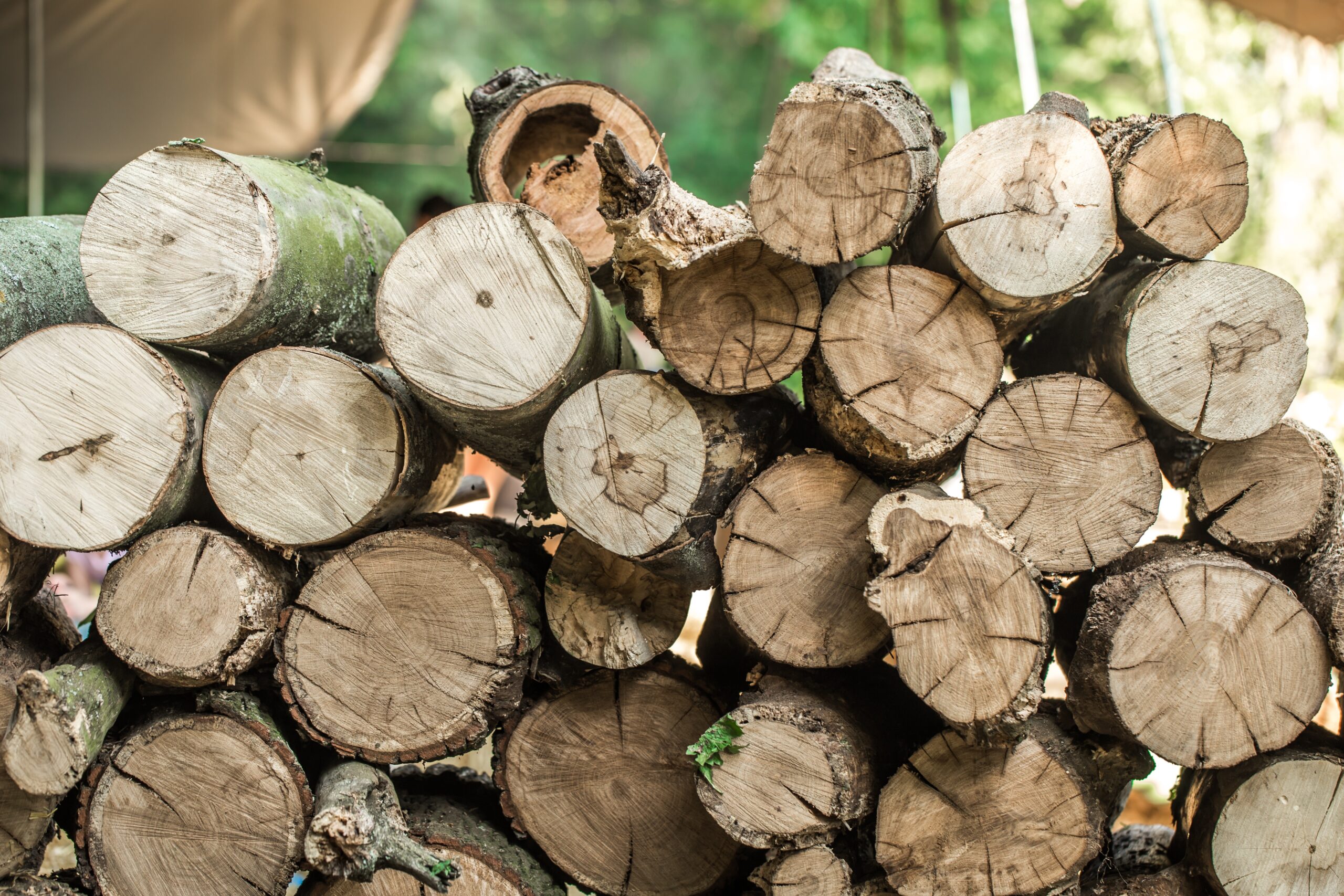
The EUDR DDS for Wood Supply Chain in Switzerland ensures that all timber and wood-based products entering EU markets are deforestation-free and legally sourced. Swiss wood exporters must generate and submit Due Diligence Statements (DDS) verifying origin, legality, and supply-chain traceability. Using digital traceability and geolocation data, companies can prove compliance, mitigate deforestation risks, and maintain seamless EU market access. By adopting automated DDS systems, Switzerland’s wood sector strengthens transparency, meets EUDR reporting standards, and reinforces its commitment to sustainable forest management and responsible global trade.
The EU Deforestation Regulation (EUDR) is reshaping how Switzerland’s wood, forestry, and timber-based industries engage with European markets. Although Switzerland is not an EU member, its strong trade links with the bloc make EUDR compliance essential for maintaining market access. As a major hub for timber processing, wood product exports, and forest management innovation, Switzerland plays a strategic role in ensuring that wood and wood-derived materials are deforestation-free, legally harvested, and fully traceable from source to export.
The regulation aims to eliminate deforestation and forest degradation associated with key commodities such as wood, cocoa, coffee, soy, palm oil, cattle, and rubber. For Switzerland renowned for its sustainable forestry practices and circular bioeconomy the EUDR raises the bar for environmental due diligence, supply chain transparency, and trade accountability across the construction, furniture, packaging, and paper sectors.
Wood is central to the EUDR due to its global role in deforestation and illegal logging. For Swiss exporters and importers, compliance means ensuring that every consignment whether raw logs, plywood, panels, or finished furniture can be traced to legally managed, deforestation-free forest areas. Products including timber, pulp, paper, MDF/HDF panels, and joinery fall within the EUDR’s scope, requiring Swiss companies trading with EU partners to verify origin and legality, even for re-exports of third-country timber.
Switzerland’s wood sector combines domestic forestry production with extensive EU and global trade flows. Key timber hubs such as Basel, Zurich, and St. Gallen connect Swiss processors to EU buyers and neighbouring markets in Germany, France, and Italy. Swiss firms supplying wood and timber products to the EU must implement an EUDR-aligned Due Diligence System (DDS) capable of:
While Switzerland’s Timber Trade Ordinance (TTO) already governs legality, the EUDR extends compliance to include deforestation-free verification and geospatial traceability, aligning with EU standards.
Under EUDR timelines, operators and traders placing wood on the EU market must comply by:
For Swiss exporters, this means building traceable data pipelines and risk assessment frameworks early to maintain uninterrupted access to EU buyers.
EUDR covers a wide range of wood and derived products commonly traded by Swiss companies, from logs and sawn timber (HS 4403, 4407) to plywood, fibreboard, pulp, and paper (HS 4412, 4411, 4701–4811). Accurate HS classification and DDS reporting will be crucial for risk evaluation and customs compliance.
The EUDR compels Switzerland’s wood sector to adopt digital traceability tools, blockchain verification, and AI-powered risk monitoring to meet EU expectations. By leveraging platforms like TraceX, Swiss exporters can automate DDS submissions, enhance ESG reporting, and strengthen their sustainability credentials.
Ultimately, the EUDR DDS for the Wood Supply Chain in Switzerland positions the country not merely as an external trader but as a trusted sustainability partner championing transparent forest governance, responsible timber sourcing, and digital innovation across Europe’s deforestation-free supply chains.
Master the step-by-step process of submitting Due Diligence Statements under the new EUDR rules.
Read the blog on filing DDS for EUDR compliance
Explore how wood importers can achieve traceability, transparency, and compliance under EUDR.
Read the full blog on EUDR Wood Compliance
The implementation of the EU Deforestation Regulation (EUDR) introduces both strategic opportunities and operational challenges for Switzerland’s wood, forestry, and timber-based industries. While the regulation elevates sustainability and transparency standards, it also imposes complex data, traceability, and compliance demands on Swiss companies exporting to, or integrated with, EU markets.
Switzerland’s wood sector operates within an interconnected European network importing raw timber from Germany, Austria, and France, as well as specialty hardwoods from Africa, Asia, and Eastern Europe. This multi-origin sourcing complicates verification and geolocation tracking, especially when upstream suppliers outside the EU lack digital documentation systems. Swiss exporters must often validate supplier data indirectly, increasing the risk of incomplete or inconsistent due diligence submissions.
EUDR compliance requires precise geolocation coordinates for every forest area of harvest, supported by satellite verification that no deforestation has occurred since December 31, 2020. For Swiss operators particularly exporters and processors of mixed-origin timber this entails building or integrating GIS-enabled traceability systems capable of handling diverse data formats and multi-supplier inputs.
Companies must maintain detailed digital archives of harvest certificates, supplier declarations, and Due Diligence Statements (DDS) for at least five years. For small and medium-sized enterprises (SMEs), this creates a heavy administrative load. Many Swiss wood processors still rely on decentralized data systems or manual recordkeeping, increasing the risk of non-conformity and slowing DDS preparation.
Although Switzerland’s domestic forestry operations adhere to stringent sustainability standards, imported timber especially from tropical or Eastern European regions presents higher risk. Verifying both legality and deforestation-free status across diverse legal frameworks requires multi-tier risk assessment, supplier validation, and often third-party audits, significantly raising compliance costs and resource needs.
Swiss wood producers frequently hold FSC® or PEFC® certification, yet these do not automatically satisfy all EUDR requirements. Companies must now link certification data with geospatial and deforestation evidence, requiring additional mapping, audit synchronization, and database integration to produce fully compliant DDS submissions.
Under the EUDR, operators must assess and mitigate deforestation or illegality risks before placing wood products on the EU market. For Swiss companies sourcing from regions with variable governance, this involves continuous monitoring, satellite analytics, and AI-driven risk scoring to ensure proactive compliance. Implementing these technologies is essential but resource-intensive for smaller firms.
While larger Swiss forestry and trading firms are adopting digital compliance solutions, many smaller sawmills, cooperatives, and rural processors lag in digital readiness. Limited access to data infrastructure and traceability technology could delay compliance efforts and create competitiveness gaps between large and small operators.
The financial impact of EUDR compliance spanning data digitization, certification, audits, and training is substantial. Swiss exporters face potential supply disruptions if foreign partners fail to provide compliant documentation on time, leading to shipment delays or restricted EU access. In parallel, tightening global demand for verified timber could drive price volatility in key raw materials.
Switzerland’s existing Timber Trade Ordinance (TTO) focuses on preventing illegal logging but does not yet fully align with the EUDR’s deforestation-free requirements. This regulatory gap complicates coordination with EU buyers who must meet stricter due diligence standards. Swiss authorities and industry associations are now evaluating policy adjustments and guidance to harmonize with EU compliance frameworks.
Swiss wood companies face a multifaceted challenge under the EUDR balancing cross-border trade compliance, digital transformation, and sustainability verification. To stay competitive, the sector must accelerate adoption of digital traceability platforms, supplier onboarding tools, and AI-driven risk analytics that automate data collection and reporting. With early adaptation, Switzerland can turn EUDR compliance into a lever for sustainable trade leadership, enhanced transparency, and long-term resilience in Europe’s deforestation-free economy.
As the EU Deforestation Regulation (EUDR) deadline approaches, Switzerland’s wood exporters, processors, furniture manufacturers, and timber traders face increasing pressure to prove that all wood-based materials are deforestation-free, legally sourced, and fully traceable especially for exports to EU markets. The TraceX EUDR Compliance Platform provides a unified, digital-first ecosystem enabling Swiss businesses to automate Due Diligence Statement (DDS) creation, digitize supplier documentation, and maintain transparent, compliant trade flows across Europe and beyond.
TraceX automates the complete lifecycle of EUDR DDS generation, validation, and submission to the EU’s reporting framework. The platform aggregates critical datasets forest geolocation, legality verification, certification (FSC/PEFC), and supplier declarations into standardized, audit-ready DDS reports. Swiss exporters can generate compliant submissions in minutes, eliminating manual documentation errors and ensuring uninterrupted EU market access while aligning with both Swiss Timber Trade Ordinance (TTO) and EUDR standards.
Each timber batch, log shipment, or processed wood product is assigned a unique blockchain identity, establishing an immutable digital chain of custody. From sustainably managed Swiss forests in Bern and Graubünden to imported hardwoods from Central Europe or Africa, TraceX ensures tamper-proof, transparent traceability that satisfies EUDR’s deforestation-free and legality verification mandates.
For Swiss exporters, blockchain transparency strengthens audit credibility, builds buyer trust, and reinforces Switzerland’s global reputation for sustainable forest management.
TraceX simplifies multi-tier supplier management across Switzerland’s complex sourcing landscape. Using mobile and GPS-enabled cloud tools, forest cooperatives, sawmills, and international suppliers can upload legality proof, forest management certificates, and geolocation data. This ensures compliance across all tiers from small Swiss forest owners to foreign timber partners creating a harmonized, deforestation-free supply network for export-ready products.
TraceX’s AI-powered analytics engine continuously assesses supplier and sourcing risks through satellite imagery, deforestation alerts, and historical land-use data. Real-time dashboards provide Swiss wood companies with actionable insights on high-risk geographies, legality gaps, and DDS submission readiness. This enables proactive compliance management, strengthens audit preparation for EU authorities, and supports ESG disclosure under Swiss and European sustainability frameworks.
A Swiss timber exporter sourcing spruce and oak from Austria and West Africa can leverage TraceX to onboard suppliers, capture GPS coordinates at the concession level, and automatically generate batch-level DDS submissions for exports to Germany, France, and Italy. Within weeks, the company can achieve full supply chain traceability, reduces manual compliance time by over 60%, and ensure verifiable, deforestation-free sourcing across its entire value chain.
By combining AI intelligence, blockchain traceability, and automated DDS workflows, TraceX enables Switzerland’s wood sector to transform EUDR compliance into a strategic differentiator.
Swiss timber exporters and processors can boost operational efficiency, strengthen supply chain transparency, and reinforce their leadership in sustainable, deforestation-free European trade future-proofing their businesses in an evolving regulatory landscape.

The EU Deforestation Regulation (EUDR) is reshaping global trade in forest-based commodities, and its ripple effects are strongly felt across Switzerland’s wood, forestry, and timber-processing sector. Even though Switzerland is not an EU member, its deep integration into the European Economic Area (EEA) supply networks and export dependence on EU markets make EUDR alignment economically, environmentally, and strategically essential.
The EU remains the largest export destination for Swiss wood, paper, and furniture products. Under EUDR, EU importers can only trade in materials proven to be deforestation-free and legally harvested. Therefore, Swiss exporters whether selling raw timber, engineered panels, or furniture must provide EUDR-compliant Due Diligence Statements (DDS) with verifiable geolocation and legality data. Failure to comply risks market exclusion, shipment rejections, or reputational damage in a highly sustainability-conscious market.
Switzerland has long been recognized for its sustainable forest management, with nearly all domestic forests certified under FSC® or PEFC® standards. By aligning with EUDR criteria, Swiss companies can showcase this heritage as a competitive advantage demonstrating best-in-class environmental governance and reinforcing the country’s reputation as a pioneer in responsible forestry and climate action.
EUDR compliance is accelerating the digitization of Switzerland’s wood supply chain, encouraging companies to adopt traceability, blockchain, and AI-driven compliance technologies. This transformation not only simplifies data collection and risk management but also improves efficiency, transparency, and ESG performance reporting, aligning Swiss exporters with the EU’s digital sustainability standards.
Switzerland’s Timber Trade Ordinance (TTO) already prohibits trade in illegally harvested timber, but EUDR expands these requirements to include deforestation-free verification and geospatial monitoring. This policy evolution is prompting Swiss authorities to evaluate legal alignment and develop supportive measures that help exporters meet EU obligations without duplicating compliance costs. The result will be a more integrated, resilient, and harmonized trade framework between Switzerland and the EU.
EUDR pushes Swiss wood companies to map suppliers, verify origins, and establish transparent chains of custody across domestic and global sourcing networks. While demanding, this effort strengthens risk management, due diligence rigor, and stakeholder trust turning compliance into a foundation for long-term supply chain resilience and market credibility.
EUDR alignment can unlock new opportunities for Swiss exporters, particularly in green-certified products, carbon-positive wood materials, and ESG-linked financing. Investors and EU buyers increasingly favor suppliers that demonstrate traceable, deforestation-free operations. Swiss companies that integrate EUDR DDS into digital compliance systems like TraceX can position themselves as preferred partners in Europe’s growing sustainable bioeconomy.
In essence, EUDR compliance is not just a regulatory hurdle it’s a strategic inflection point for Switzerland’s wood sector. By embracing digital traceability, risk intelligence, and sustainability reporting, Swiss exporters can safeguard EU market access, enhance transparency, and lead Europe’s transition toward deforestation-free trade.
In conclusion, the EUDR DDS for the Wood Supply Chain in Switzerland marks a decisive step toward integrating sustainability, legality, and digital traceability in the country’s forestry and timber trade ecosystem. By aligning with EU deforestation-free standards, Swiss wood exporters can ensure continued market access, strengthen compliance credibility, and enhance global trust in their sourcing practices. The adoption of digital platforms, geospatial monitoring, and blockchain-backed traceability not only simplifies due diligence but also transforms compliance into a catalyst for transparency, innovation, and sustainable growth. Ultimately, Switzerland’s proactive alignment with the EUDR reinforces its role as a trusted partner in Europe’s deforestation-free wood trade and a leader in sustainable forest governance.
Understand the key components of EUDR compliance and how to streamline your DDS process efficiently.
Read the blog on EUDR Due Diligence
Learn how AI-driven automation and intelligent workflows simplify data collection, verification, and reporting.
Explore the blog on Agentic AI for EUDR
Unpack the biggest hurdles faced by importers under EUDR and how technology can turn compliance into a competitive edge.
Read blog on Challenges for EU Importers
The EUDR is a regulation by the European Union aimed at preventing deforestation-linked commodities like wood from entering the EU market. It requires full supply chain traceability and submission of Due Diligence Statements (DDS) proving compliance.
A DDS is a formal declaration confirming that wood imported or sold in Switzerland is deforestation-free and legally sourced. It must include farm-level geolocation data and risk assessment documentation.
All Swiss importers, traders, processors and retailers handling wood are required to comply. Both large corporations and small operators must provide DDS documentation for their supply chains.
Common difficulties include gathering farm-level data, verifying deforestation-free claims, managing multiple smallholders, and preparing DDS documents manually.
TraceX digitizes the entire process mapping wood plantations, verifying deforestation risks via satellite data, and auto-generating compliant DDS reports ready for submission.
Yes. TraceX is built for scalability and ease of use. It supports both large enterprises and smallholder networks, enabling simple data collection via mobile apps