Quick summary: Extended Producer Responsibility (EPR) explained for brands, manufacturers, and importers. Learn what EPR is, how it works, global regulations, compliance requirements, and why it matters for sustainable, circular supply chains.
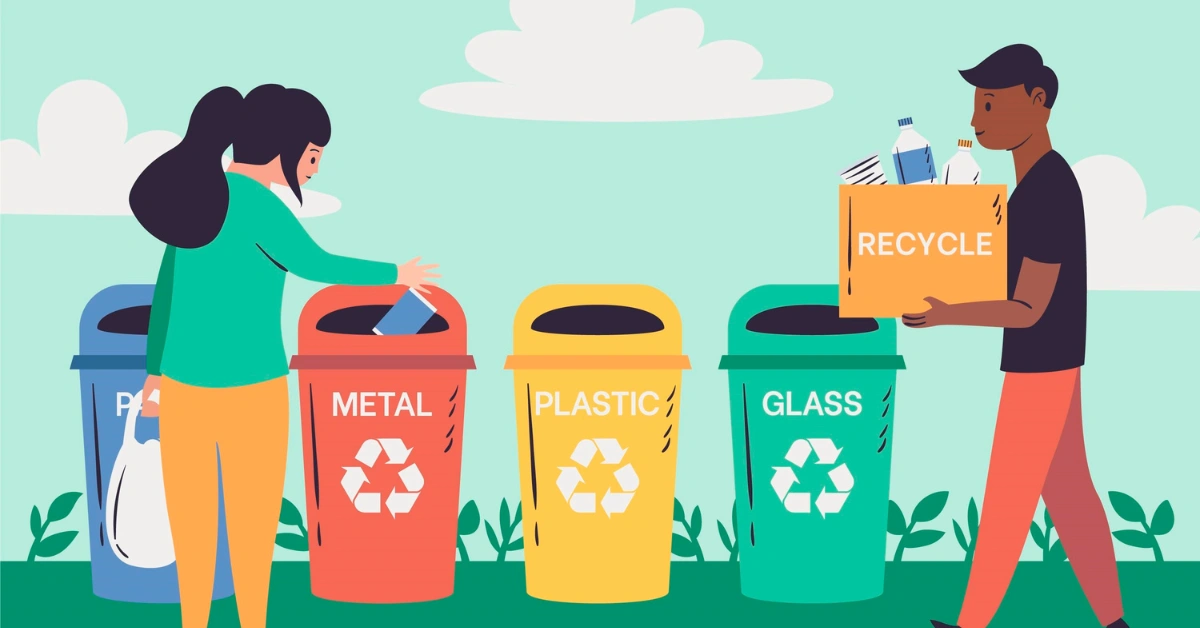
As waste regulations tighten worldwide, companies are increasingly held accountable not just for what they sell, but for what happens to their products and packaging after consumers are done with them. Extended Producer Responsibility (EPR) is an environmental policy approach that makes producers responsible financially or operationally for managing products at the end of their lifecycle, including collection, recycling, and disposal. EPR shifts waste management costs from governments to producers to drive sustainable product design and circular economy outcomes.
Extended Producer Responsibility (EPR) is rapidly moving from a policy concept to a business-critical requirement and many brands and manufacturers are feeling unprepared.. Rising compliance costs, complex reporting rules, and fragmented global regulations make EPR difficult to navigate without clarity and strategy. This guide breaks down what EPR really means for brands, manufacturers, and importers and how to turn compliance pressure into a competitive advantage.
Extended Producer Responsibility (EPR) is an environmental policy approach that makes producers such as brands, manufacturers, and importers legally and financially responsible for managing products and packaging at the end of their life. This responsibility typically covers activities like collection, recycling, treatment, and safe disposal of post-consumer waste. In some jurisdictions, producers also take on operational responsibility, meaning they directly manage or coordinate take-back and recycling systems.
EPR was introduced to address the growing global challenge of waste generation and the limitations of traditional, taxpayer-funded waste management systems. Historically, municipalities bore the cost of collecting and disposing of waste, while producers had little incentive to design products that were easier to recycle or less harmful to the environment.
Policymakers introduced EPR to:
As waste volumes increased and recycling targets became more ambitious, EPR emerged as a key tool to drive systemic change.
At its core, EPR aims to reduce the amount of waste sent to landfills and incineration while improving recycling rates and material recovery. By making producers responsible for end-of-life outcomes, EPR creates strong incentives to:
Many EPR systems apply eco-modulated fees, where producers pay lower fees for easily recyclable products and higher fees for problematic materials, directly rewarding better design choices.
Extended Producer Responsibility is a foundational pillar of the circular economy, which focuses on keeping materials in use for as long as possible. EPR supports circularity by:
By aligning economic incentives with environmental performance, EPR helps move industries away from a linear “take-make-dispose” model toward more sustainable, circular production and consumption systems.
Explore how digital traceability is transforming waste into measurable value →
Discover how traceability enables a true circular economy
Extended Producer Responsibility is built on a set of foundational principles that redefine how environmental responsibility is allocated across the value chain. These principles ensure that waste management is not treated as a public burden, but as an integral part of product and packaging design.
The Polluter Pays Principle is the cornerstone of EPR. It establishes that producers who place products or packaging on the market must bear the financial and, in some cases, operational responsibility for managing the waste those products generate.
Under EPR, this accountability is enforced through:
This principle directly influences product design and packaging choices. Producers are incentivized to reduce packaging, eliminate non-recyclable materials, and adopt eco-design practices because:
As a result, environmental impact becomes a measurable business cost rather than an externality.
EPR extends responsibility beyond the point of sale and into the post-consumer phase of a product’s lifecycle. This means producers are accountable not just for manufacturing and distribution, but also for what happens after the product is used and discarded.
Lifecycle responsibility under EPR includes:
By linking responsibility to the full lifecycle, EPR incentivizes the use of sustainable materials, modular designs, and components that are easier to recycle or recover. Products designed for durability, repairability, and recyclability are less costly to manage at end of life, creating a clear economic signal to design for sustainability.
While producers carry primary responsibility under EPR, waste management is a shared system involving multiple stakeholders each with distinct roles.
Responsibilities are differentiated based on capacity, expertise, and legal mandate. This shared structure ensures efficiency while maintaining clear accountability; producers remain responsible for outcomes, even when operational tasks are delegated.
Together, these principles make EPR a powerful policy tool that aligns environmental responsibility with economic incentives, driving long-term improvements in waste reduction, recycling performance, and circular product design.
The Packaging and Packaging Waste Regulation (PPWR) is closely connected to Extended Producer Responsibility (EPR) because it increases the obligations placed on producers for how packaging is designed, managed, reported, and recovered across its lifecycle. While EPR focuses on making producers financially and operationally responsible for packaging waste, PPWR goes further by introducing stricter requirements around recyclability, reuse, packaging minimization, recycled content, and sustainability data transparency. Together, EPR and PPWR are reshaping how brands, manufacturers, and importers approach packaging compliance moving from basic waste management toward full lifecycle accountability and circular packaging systems.
For manufacturers, brands, and importers, Extended Producer Responsibility (EPR) is not just an environmental policy it is a legal, financial, and strategic business obligation that directly affects how products are designed, sourced, priced, and distributed across markets.
Under EPR regulations, producers are legally responsible for the end-of-life management of the products and packaging they place on the market. Obligations vary by country and product category, but typically apply to:
Legal responsibilities often include meeting recycling targets, complying with material restrictions, and ensuring proper waste collection and treatment. For companies operating across multiple regions, this means navigating different EPR laws, timelines, and reporting formats in each market.
Most EPR schemes require producers to:
Fees are increasingly eco-modulated, meaning products that are harder to recycle or contain problematic materials attract higher costs, while recyclable or reusable designs benefit from lower fees. Accurate data collection and reporting are critical to avoid penalties and overpayments.
Failure to comply with EPR obligations can have serious consequences, including:
As enforcement strengthens globally, EPR non-compliance is increasingly treated as a material business risk, not just a regulatory oversight.
EPR is reshaping supply chain strategy. Companies must now:
Forward-looking brands use EPR as a lever to improve operational efficiency, reduce long-term costs, and strengthen ESG credentials. Those that integrate EPR early into supply chain and product design decisions gain a competitive advantage in increasingly regulated global markets.
While the core principle of EPR is consistent globally, the way it is implemented varies by region, product category, and regulatory maturity. In practice, EPR systems typically follow one of three models: financial responsibility, operational responsibility, or a hybrid approach.
Under the financial responsibility model, producers fulfill their EPR obligations by funding waste management activities rather than running them directly.
Key characteristics include:
A growing feature of this model is fee modulation. Products that are:
This approach creates a financial incentive for better product and packaging design while allowing producers to outsource operational complexity.
In the operational responsibility model, producers take a more direct role by managing or coordinating waste collection and recycling systems themselves.
This may involve:
Operational responsibility is more common in sectors such as electronics, batteries, and hazardous products, where specialized handling is required. It may also apply in regions where regulatory frameworks require producers to demonstrate physical control over end-of-life management.
While this model offers greater control and visibility, it also requires significant operational capacity and investment.
Many countries implement hybrid EPR models that combine elements of both financial and operational responsibility.
In hybrid systems:
Hybrid models allow regulators to balance efficiency with accountability, while giving producers flexibility to choose the most effective compliance pathway. For companies operating across multiple jurisdictions, hybrid EPR models are increasingly common—and require robust data, coordination, and digital reporting systems to manage effectively.
Understanding which EPR model applies to your products and markets is critical for compliance planning, cost management, and long-term sustainability strategy.
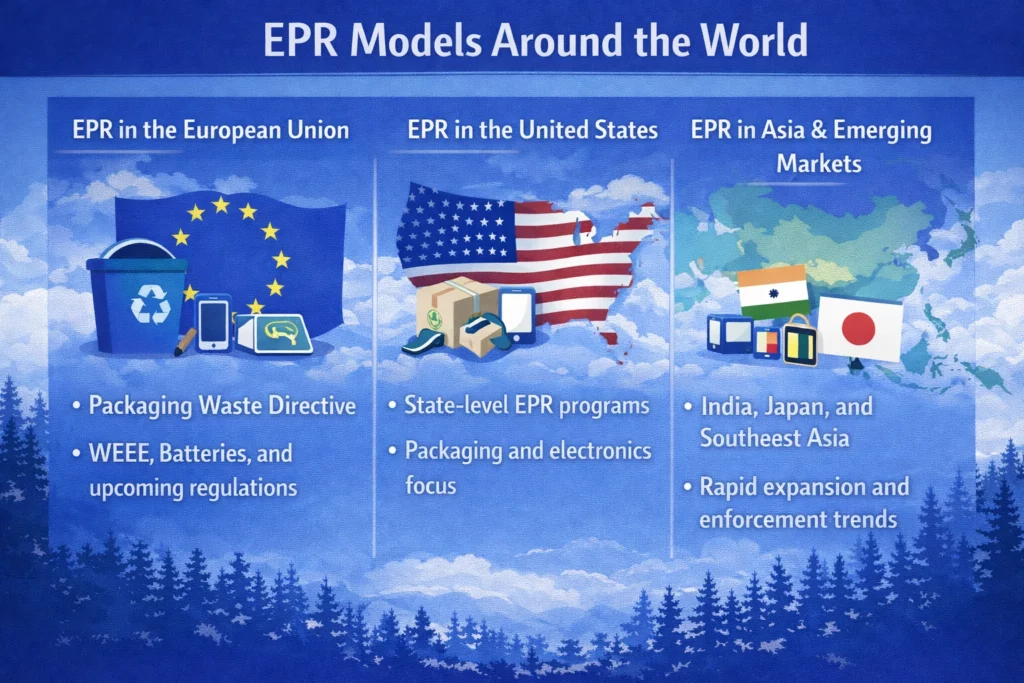
While the core principles of Extended Producer Responsibility (EPR) are consistent, implementation varies significantly by industry based on product complexity, environmental risk, material value, and recycling infrastructure. Understanding these differences is critical for accurate compliance planning and cost management.
EPR for packaging and fast-moving consumer goods (FMCG) is the most widely implemented and mature globally.
Key characteristics:
Regulators increasingly use eco-modulated fees to push brands toward recyclable, reusable, and minimal packaging. FMCG companies must manage high reporting volumes across multiple materials (plastic, paper, glass, metal), making data accuracy and packaging design decisions central to compliance.
EPR for electronics and electrical equipment (WEEE) addresses products with hazardous components and high resource value.
Key characteristics:
Manufacturers are required to track products over longer lifecycles and ensure proper end-of-life treatment. Design for repairability, modularity, and material recovery plays a critical role in reducing EPR costs and regulatory risk.
EPR for batteries and electric vehicles (EVs) is rapidly expanding due to safety, environmental, and resource concerns.
Key characteristics:
Producers are often required to demonstrate closed-loop recycling, track battery composition, and ensure safe transport and processing. EPR in this sector is closely linked to emerging regulations on digital product passports, battery sustainability, and lifecycle emissions.
EPR for textiles and fashion is an emerging but fast-growing area, particularly in Europe.
Key characteristics:
Fashion brands must prepare for new reporting requirements, product labelling, and take-back schemes. EPR is increasingly driving shifts toward circular fashion models, including resale, rental, and fibre-to-fibre recycling.
Each industry faces distinct compliance costs, data needs, and operational challenges under EPR. Companies that tailor their EPR strategies to industry-specific requirements rather than treating EPR as a one-size-fits-all obligation are better positioned to reduce risk, control costs, and align with long-term sustainability and circular economy goals.
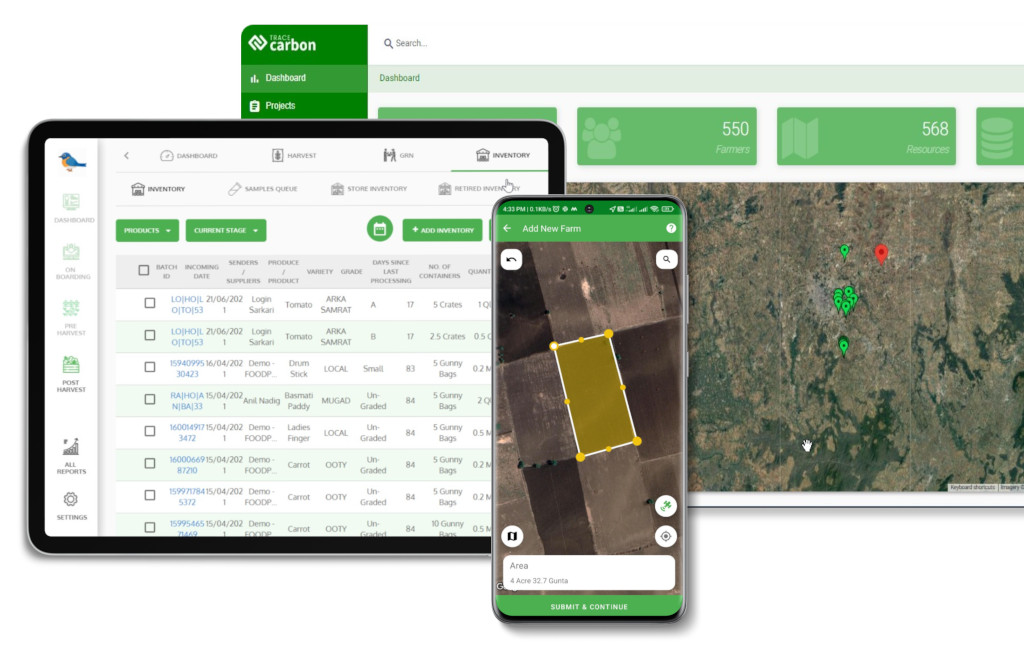
Digital platforms play a critical role in simplifying EPR compliance by centralizing data, automating reporting, and enabling end-to-end traceability across products and materials. By digitizing product, packaging, and waste flow information, companies can accurately track volumes, meet regulatory reporting requirements, and reduce the risk of non-compliance across multiple jurisdictions. TraceX solutions provide a unified platform for EPR management capturing real-time data, supporting audit-ready documentation, and delivering transparent traceability that helps brands, manufacturers, and importers meet EPR obligations efficiently while strengthening circular economy outcomes.

Extended Producer Responsibility operates as a multi-stakeholder system, where clear roles and accountability across the value chain are essential for effective waste management and regulatory compliance. Each stakeholder plays a distinct but interconnected role in ensuring EPR schemes function as intended.
Producers are the primary accountable parties under EPR regulations. Their responsibilities extend beyond placing products on the market to ensuring proper end-of-life management.
Key responsibilities include:
Producers also influence upstream decisions such as product design, material selection, and supplier sourcing, which directly impact recyclability, EPR costs, and environmental outcomes.
Governments and regulatory bodies are responsible for designing, implementing, and enforcing EPR frameworks.
Their role includes:
Strong regulatory oversight is critical to prevent free-riding, ensure environmental effectiveness, and maintain a level playing field for compliant producers.
Consumers and waste management operators are essential to the operational success of EPR systems.
While these stakeholders may not carry legal responsibility under EPR, their engagement determines how efficiently and effectively EPR systems function in practice.
EPR succeeds when accountability, incentives, and collaboration are aligned across producers, regulators, and waste management actors. Clear roles, transparent data, and effective coordination ensure that EPR delivers on its goals of reduced waste, improved recycling, and a more circular economy.
Extended Producer Responsibility (EPR) is no longer just an environmental policy it is a defining compliance requirement and a strategic lever for sustainable growth. As regulations expand globally, EPR compels brands to take accountability for the full lifecycle of their products, driving measurable reductions in waste and improved resource efficiency. For forward-looking companies, EPR presents an opportunity to redesign products, build transparent supply chains, and embed circular economy principles into core business strategy. Brands that proactively invest in EPR compliance, data-driven reporting, and digital traceability will not only reduce regulatory risk but also strengthen market trust, resilience, and long-term competitiveness in a resource-constrained world.
Discover how food waste is being recycled into value
Discover how lifecycle data shapes circular economy policy
Extended Producer Responsibility (EPR) is an environmental policy that makes producers financially and/or operationally responsible for managing their products after consumer use, including collection, recycling, and disposal.
EPR applies to brands, manufacturers, importers, and sometimes distributors that place regulated products or packaging on the market, depending on country and product category.
Common EPR categories include packaging, electronics (WEEE), batteries, tires, textiles, and increasingly EV batteries and plastics.
Non-compliance can result in fines, sales bans, product delisting, reputational damage, and increased regulatory scrutiny.
Companies typically register with authorities or Producer Responsibility Organizations (PROs), report volumes placed on the market, pay EPR fees, and use digital platforms to manage reporting, traceability, and audits efficiently.