
Quick summary: Material Traceability in supply chains enables circularity, transparency, and compliance by tracking materials from origin to end-of-life. Learn why it matters now.
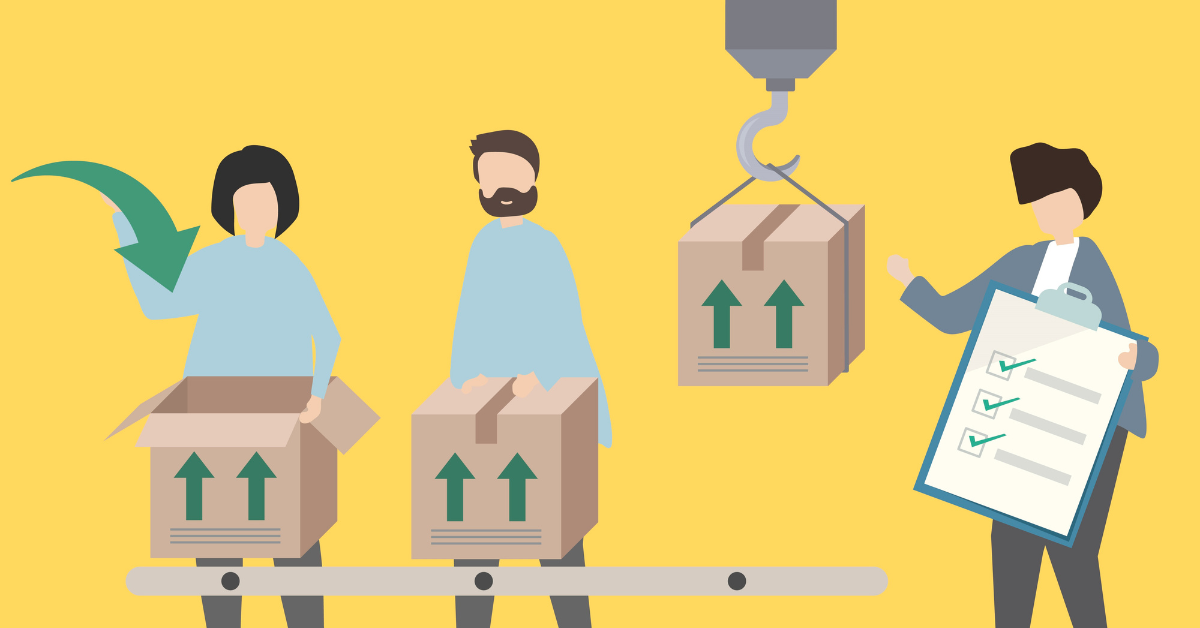
Material traceability tracks raw materials and components from source to end-of-life, enabling circular economy compliance, regulatory readiness, and risk mitigation across global supply chains. Material Traceability in supply chains enables circularity and transparency by tracking materials from source through processing, use, and end-of-life. By capturing data on origin, composition, compliance, and movement, Material Traceability allows companies to verify sustainable sourcing, reduce waste, and recover materials for reuse or recycling. It also supports regulatory compliance, risk management, and ESG reporting by providing verifiable proof of material flows. As circular economy and sustainability regulations tighten, Material Traceability has become essential for building resilient, transparent, and accountable supply chains.
In the global push toward sustainability, the focus is shifting from a product’s final form to its foundational elements. It is no longer enough to track a box; businesses must now track the materials within the box.
This granular, deep dive into supply chains is known as Material Traceability, and it is rapidly becoming the most critical compliance and risk management requirement for any business operating within regulated markets like the European Union.1
Material traceability is the invisible engine that powers credible sustainability claims, enables the Circular Economy, and provides the auditable proof required by landmark regulations like the EU Deforestation Regulation (EUDR) and the Digital Product Passport (DPP).
This comprehensive guide breaks down material traceability, its difference from product tracking, and why adopting a robust system is essential for future resilience and competitive advantage.
Key Takeaways
Material traceability is the ability to identify and follow the journey of raw materials and component ingredients from their point of origin (e.g., farm, mine, forest) through all subsequent processing and manufacturing stages, all the way to the final product and end-of-life disposal.
Unlike product tracking, which focuses on the assembly and distribution of the final item, material traceability focuses on the attributes of the inputs proving their origin, legality, ethical sourcing, and environmental impact before they are transformed.
| Feature | Material Traceability | Product Traceability |
| Focus | Raw materials, ingredients, components, and recycled content. | The finished, assembled item, its distribution, and end-user history. |
| Key Questions | Where did the cotton grow? Who harvested the cocoa? Is the cobalt ethically sourced? | When was the shirt made? Who owns the car now? How is the phone repaired? |
| Scope of Depth | Multi-tier supply chain (Tier 2, 3, 4) – back to the source plot. | Single-tier supply chain (Tier 1) – forward to the consumer. |
| Regulatory Need | EUDR, CSRD (Due Diligence), Circularity Proof. | ESPR (DPP), Safety Recalls, Warranty. |
Struggling with fragmented compliance data?
Explore how end-to-end supply chain visibility helps businesses meet evolving regulations, reduce risk, and ensure audit-ready transparency across global operations.
Read the guide on Supply Chain Visibility for Compliance
Don’t know where your suppliers actually source from?
Learn why supplier mapping is the foundation of traceability, deforestation-free sourcing, and ESG compliance and how to implement it at scale.
Read the blog on Supplier Mapping in Traceability
The urgency around material traceability is driven by major global policy shifts that target the environmental and ethical impacts of primary production.
The Circular Economy Action Plan (CEAP) requires verifiable data on material inputs. The ESPR mandates material composition data for the DPP.5 Most pressingly, the EUDR makes material traceability the absolute legal requirement for market access for key agricultural commodities.
A company’s carbon footprint is dominated by Scope 3 emissions, much of which stem from the production and transport of raw materials. Proving sustainable sourcing through material traceability is the only way to accurately calculate and reduce these emissions, especially those related to land-use change.
Institutional investors use stringent ESG (Environmental, Social, and Governance) criteria, demanding data that proves material sourcing does not involve forced labor, illegal logging, or deforestation. Large corporate buyers (B2B) are making material traceability a contractual requirement to protect their own regulatory compliance.
A lack of material traceability is a direct path to high-stakes failure:
The Circular Economy cannot function on blind faith. It requires specific, verifiable data on every material input data that only material traceability can provide.
Material traceability ensures that the identity and quality of a material are preserved even after it goes through several manufacturing, use, and recycling cycles. This allows materials to be reliably “designed in” and “designed out.”
Enabling Reuse, Recycling, and Secondary Raw Materials
By tracing materials, designers gain intelligence on material hotspots (e.g., hard-to-recycle plastics) and can actively design products that minimize or replace those inputs, thereby extending the lifecycle and improving end-of-life recovery.
The DPP is the front end of circularity; material traceability is the back end. Traceability systems capture the verifiable data on recycled content, source, and ethical sourcing, which is then structured and shared via the DPP to consumers, recyclers, and regulators.
The EU has codified material traceability into its legal framework, making it a prerequisite for economic activity.
The CEAP aims to promote the use of secondary raw materials, which is impossible without certified and traced material origins and quality data.
SPI mandates the reporting of material composition, chemical substances of concern (REACH), and the percentage of recycled content, all of which require material-level tracking.
EUDR, Due Diligence Laws, and Supply Chain Transparency Mandates
Regulators require verifiable, auditable records for:
Material traceability transforms abstract risks into measurable, manageable data points.
By linking materials like beef, soy, or coffee to GPS coordinates and satellite imagery, traceability instantly confirms whether the source land has been subject to deforestation after the cut-off date (e.g., December 31, 2020, for EUDR).
Traceability systems capture social compliance data (audits, certifications, worker payroll records) at the source and process level, providing evidence against claims of forced or illegal labor.
Full visibility allows businesses to model material sourcing resilience, identifying single points of failure (e.g., reliance on one high-risk mine) and diversifying sources before geopolitical events cause disruption.
Since traceability data is immutable and verifiable (often via blockchain), it provides the foundational evidence needed to substantiate claims like “ethically mined” or “100% recycled,” preventing costly fines under the new EU Green Claims Directive.
Building a system that can handle the complexity of multi-tier supply chains requires structured digital components.
The system must digitally register all suppliers, from large processors to smallholder farmers, and standardize the way they input data about material quantity, source coordinates, and certifications.
This component utilizes GPS data, polygon mapping, and satellite data feeds to verify the physical source of the material against compliance criteria (e.g., ensuring no overlap with protected lands).
See how a leading Nigerian cocoa exporter used TraceX’s farm mapping and Restricted Zone technology to ensure deforestation-free sourcing, strengthen traceability, and meet global compliance requirements.
Read the Case Study on Farm Mapping for Sustainable Cocoa Exports
At every stage where a material is transformed (e.g., cotton into yarn, ore into refined metal), the system must log an event that details the inputs, the process, and the resulting outputs. This is vital for maintaining mass balance and calculating material loss.
The system must act as a digital vault, securely linking documents (e.g., audit reports, organic certifications, land titles) immutably to the specific material batch or lot.
The traceability data must be easily shareable and readable by other enterprise systems (ERP, PLM, LCA tools) and regulatory platforms (e.g., the EU’s DPP registry).
Digital tools are essential for managing the scale and depth of material traceability required today.
Blockchain technology is used to create a shared, append-only ledger that cryptographically secures event data. This immutability is crucial for establishing the trust and verifiability that regulators demand. It ensures no party can unilaterally alter the historical record of a material’s origin or processing.
Secure, scalable cloud-based platforms are the necessary architecture for collecting, processing, and sharing traceability data across hundreds or thousands of suppliers across multiple continents.
The most resilient businesses use both, but certain regulations prioritize material depth.
Material traceability is mandatory when:

TraceX solution provides the necessary digital infrastructure to transform complex material flows into verifiable, actionable data.
Our platform maps every tier of your supply chain, from the smallest source plot to the final processing facility, creating a single digital thread for every material input.
We leverage secure blockchain technology to immutably record every transformation, event, and attribute change for materials, ensuring data authenticity for regulators and buyers.
TraceX automatically validates material sources against regulatory criteria (like EUDR cut-off dates and land-use data) and generates compliance reports, simplifying market entry.
Our system is designed to feed essential material data directly into your LCA software, DPP platform, and CSRD reporting, making sustainability a unified, cohesive business function.
The regulatory deadlines are here. Businesses must transition from paper-based promises to digital proof.
Material traceability is the cost of doing business responsibly. It is the key to unlocking true sustainability and securing long-term market access.
Material Traceability is no longer just a compliance tool it is a foundation for circular, transparent, and future-ready supply chains. By tracking materials from source to end-of-life, businesses can reduce risk, meet evolving regulations, enable reuse and recycling, and build trust with regulators and customers. As circular economy policies and sustainability reporting intensify, organizations that invest early in robust Material Traceability systems gain operational resilience, cost efficiency, and long-term competitive advantage.
Discover how digital transformation is reshaping sustainability in supply chains. Dive into our insights on leveraging technology for greener, compliant operations.”
Read the Blog on Digital Transformation for Sustainability
Unlock the full potential of your supply chain with end-to-end traceability. Learn best practices, tools, and strategies to enhance visibility and compliance.
Explore Our Guide to Supply Chain Traceability
Build trust and transparency in your operations. Learn how ethical supply chains protect your brand and ensure responsible sourcing.
Read Our Blog on Ethical Supply Chains
Material Traceability is the ability to track raw materials and components across sourcing, processing, manufacturing, use, and end-of-life stages.
It enables material recovery, reuse, and recycling by providing visibility into material composition, origin, and lifecycle data.
It provides verifiable data to meet regulations on sustainability, deforestation, product safety, and ESG reporting.