
Organic India was able to streamline their agricultural operations, digitize their farm management processes, track regenerative practices, streamline procurement, ensure product traceability, and validate quality certifications with TraceX’s solutions
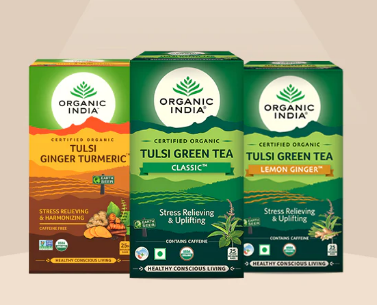
Organic India is a multi-national company which produces certified organic herbal and ayurvedic health products. The company is known for their line of organically grown Tulsi infusions which are sold in India, US, Canada and UK. The company works with thousands of smallholder farmers to cultivate acres of sustainable organic farmland.
Agri Trading Company
India
Digitization of Farm practices, crop management, streamline procurement and validate product quality
Organic India products are healthy, free from toxins, wholesome and are packaged with care. It upholds the dignity of farmers and brings true health and wellness to consumers.
Every herb, plant and fruit in Organic India products are grown or harvested using organic methods and sustainable wild-crafting practices. Each item represents a connection between Mother Nature, farmers, and consumers.
Organic India, a multinational company renowned for its certified organic health products, faced a series of challenges in their agricultural practices.
Farmers are onboarded into the system and their details are entered and profiles created with Unique IDs. The farms are geo-mapped with latitude and longitude details, plot area and area under cultivation.
The various crops are configured in the system along with season and cropping details. Tulasi has 3 varieties which are captured. The sown area, the estimated and actual yields are captured.
Organic India utilizes the application to digitally record and document the distribution of seeds, cuttings, roots, tarpaulin sheets, and HDPE bags to farmers, ensuring transparency, accountability, and efficient management of agricultural inputs and resources.
In nursery management, farmers receive seeds from the Organic India team and sow them in designated nursery areas within the main field. Here, the plants are nurtured under optimal conditions to facilitate germination and early growth. Farmers carefully monitor factors such as water, sunlight, and soil nutrients to ensure the healthy development of seedlings. Once the seedlings reach a suitable stage of growth, they are transplanted from the nursery into the main plot for further cultivation. This process allows farmers to establish strong and healthy plants, setting the stage for successful crop growth in the main field.
Once the transplantation is done, the various package of practices for each crop is configured along with the schedules and alerts.
To facilitate efficient reporting and data management, Organic India utilizes the application. Through the app, field teams can easily input field activity data and update the AFL list in real time. Once the AFL list is populated with relevant information, Organic India can download comprehensive reports directly from the application. These reports provide valuable insights into field activities, farmer details, and estimated yield, enabling them to make informed decisions and monitor the progress of agricultural operations effectively.
Quality Processes
After harvest, farmers engage in field-level processing directly on the farm. This process typically involves three main steps: cleaning, drying, and packing the produce. Farmers take responsibility for cleaning, drying, and packing the harvested crops, ensuring that the produce is ready for further distribution or sale.
Procurement
During the procurement process, farmers bring their produce to the designated procurement center along with a copy of their token. Upon arrival, the entry of the farmer’s ID and token is manually verified to ensure accuracy and authenticity. Subsequently, the quality of the produce undergoes thorough inspection by a quality controller. If the quality fails to meet the set standards, the lot is returned to the farmer. However, if the quality meets the required criteria, the produce is graded accordingly (A, B, C) to categorize its quality level. This meticulous process ensures that only high-quality produce is accepted and processed further, maintaining the standards set by Organic India.
Integration with Weighing scale
This feature allows users to weigh the harvested quantity or sales quantity directly on a weighing machine, with the weight automatically reflected in the mobile application. The integration of weighing machines reduces manual entry errors and ensures precise calculation of the weight of produce or products. It enhances efficiency and accuracy in recording quantities during harvesting or sales activities.
Procurement and GRN
Organic India utilizes SAP software for various procurement and payment processes, including generating procurement order IDs, Goods Receipt Note (GRN) receipts, and managing farmer payments. While SAP handles these aspects, Organic India seeks to integrate SAP with the TraceX application for seamless data exchange and synchronization. This integration aims to enhance efficiency and accuracy by ensuring that data captured in SAP, such as procurement orders and payment details, is automatically reflected in the application. This integration project will be pursued as a separate work order, focusing on establishing a robust connection between SAP and TraceX to streamline operations and data management across both platforms.
What is food traceability | Types of traceability in supply chains | Food traceability best practices | Traceability in the food industry | Digital traceability system | Blockchain food traceability solutions | QR code traceability for consumer trust | ERP integration for traceability | Conscious consumerism through traceability | Food system transformation with traceability | Coffee supply chain guide | Coffee traceability from bean to cup | Sustainable coffee supply chain | Regenerative agriculture for coffee | Agroforestry in the coffee value chain | Rainforest Alliance certified coffee | Single origin coffee explained | Cocoa supply chain traceability | Child labour in cocoa supply chains | Child labour monitoring and remediation systems | Fairtrade cocoa sourcing | Agroforestry in cocoa supply chains | Tea supply chain transformation | Sustainability in the tea value chain | Seed supply chain traceability | Seed supply chain basics | Forward traceability in seed industry | Seed supply chain challenges | Seed procurement process | Livestock traceability for meat safety | Blockchain traceability in livestock | Carbon traceability on blockchain | Maize value chain traceability | Farm to fork journey of millets | Millet value chain overview | Millets for a sustainable future | Pulse value chain traceability | Fruit and vegetable supply chain traceability | Banana supply chain traceability | Carbon footprint of banana production | Grape traceability for exports | Digital procurement for fruits and vegetables | Mango supply chain transparency | Tomato value chain challenges | Reducing post-harvest losses in potatoes | Sugarcane supply chain traceability | Sustainable sugarcane farming practices | Flower traceability from seed to scent | Orris root traceability in fragrance | Fair trade in fragrance oil supply chains | Hive to honey traceability | Cannabis supply chain traceability | Wine traceability grape to glass | Nutraceuticals and herbal supplements traceability | Rice supply chain traceability | Mill level rice traceability | Sustainable rice farming | Direct seeded rice cultivation | Sustainable rice platform standards | System of rice intensification | Alternate wetting and drying rice cultivation | Cotton supply chain traceability | Sustainability in the cotton industry | Organic cotton traceability | Fashion supply chain explained | Mapping the textile value chain | Traceability in the fashion industry | Traceability in waste management | Plastic value chain explained | Traceability for GI tagged products | Traceability for organic food brands | Spice supply chain traceability | Pepper traceability farm to table | Chilli value chain overview | Turmeric value chain | Batch level traceability for spice exports | Batch traceability in spice manufacturing | Sustainable spice sourcing technology | Sustainable farming practices for spices | Grocery supply chain challenges | Dairy supply chain guide | Real-time milk collection tracking | Dairy supply chain risk and issues | Batch level traceability in dairy | Ghee adulteration prevention | Sustainable dairy farming | Seafood supply chain ocean to plate | Sustainable fishing through supply chain transparency | Poultry value chain chicken to nugget | Tobacco supply chain overview | Digitizing tobacco farming | Tobacco traceability for compliance | Sustainable tobacco production | Sustainable tobacco programs | Digitizing the paper supply chain | Sustainable soy supply chains | RTRS certification in soy | Sustainable rubber from tree to tyre | FSC certified rubber solutions | Palm oil supply chain insights | RSPO certification with EUDR compliance | Seed oils traceability farm to refinery | Aggregation risk in oilseed supply chains | Digital traceability for cold pressed oils | Timber value chain from forest to product | Sustainable cashew production traceability | Arecanut value chain traceability | Essential guide to food supply chains | Factors influencing food supply chain management | Food supply chain in India | Blockchain for food supply chain | Agriculture and food supply chain factors | Traceability in food safety | Supply chain transparency for food safety | Understanding food recalls | Product recall in the food industry | Food waste in supply chains | Food waste recycling and composting | Food waste upcycling solutions | Supply chain traceability framework | Complete guide to supply chain traceability | Product traceability in supply chains | Material traceability in supply chains | Elements of supply chain provenance | Chain of custody in agriculture | Supplier mapping for traceability | Real-time supply chain visibility | Traceability for ESG compliance | Supply chain due diligence | Examples of food supply chain traceability | Supply chain traceability challenges | Multi-tier supply chain transparency | Traceability for supply chain managers | Mitigating supply chain risks for exporters | CTOs driving digital transformation with traceability | Digital transformation for licensed cocoa buyers | Bulk food product traceability | Automated farm input distribution | Supplier onboarding challenges | Digital process configuration in food production | Bulk GRN processing in procurement | Batch IDs in food traceability systems | Inventory management in the food industry




We use cookies on our website to give you the most relevant experience by remembering your preferences and repeat visits. By clicking “Accept All”, you consent to the use of ALL the cookies. However, you may visit "Cookie Settings" to provide a controlled consent.
| Cookie | Duration | Description |
|---|---|---|
| cookielawinfo-checkbox-analytics | 11 months | This cookie is set by GDPR Cookie Consent plugin. The cookie is used to store the user consent for the cookies in the category "Analytics". |
| cookielawinfo-checkbox-functional | 11 months | The cookie is set by GDPR cookie consent to record the user consent for the cookies in the category "Functional". |
| cookielawinfo-checkbox-necessary | 11 months | This cookie is set by GDPR Cookie Consent plugin. The cookies is used to store the user consent for the cookies in the category "Necessary". |
| cookielawinfo-checkbox-others | 11 months | This cookie is set by GDPR Cookie Consent plugin. The cookie is used to store the user consent for the cookies in the category "Other. |
| cookielawinfo-checkbox-performance | 11 months | This cookie is set by GDPR Cookie Consent plugin. The cookie is used to store the user consent for the cookies in the category "Performance". |
| viewed_cookie_policy | 11 months | The cookie is set by the GDPR Cookie Consent plugin and is used to store whether or not user has consented to the use of cookies. It does not store any personal data. |
WhatsApp us

Get the free TraceX Playbook — 10 traceability failures to fix before your next audit, a 10-point maturity scorecard.

Don’t miss out on your chance to grab access to our early bird offer!

Your essential compliance guide