
Quick summary: Packaging waste in the EU is rising due to e-commerce growth, single-use materials, and weak recycling systems. Learn the key causes, risks, and how businesses can reduce costs and stay compliant.
Imagine this: every product your customer unwraps every box, every plastic film, every protective layer doesn’t just disappear after use. It accumulates. At scale, it’s creating a silent surge of waste across Europe that most businesses don’t see… until it starts affecting their costs, compliance, and customer trust. Packaging waste in the European Union is reaching record highs and it’s not slowing down. Despite ambitious sustainability targets set by the European Commission, the volume of packaging waste per capita continues to rise year after year.
But here’s the real pain point: the system is shifting faster than most businesses are prepared for.
What used to be a backend operational detail is now a frontline business risk.
If your business relies on packaging (and most do), this isn’t just an environmental issue it’s a regulatory, financial, and brand liability that can quietly erode margins and competitiveness.
Companies that wait until compliance deadlines hit often face rushed redesigns, higher costs, and reputational damage. Meanwhile, those that act early are already reducing waste, lowering expenses, and positioning themselves as leaders in a rapidly evolving market.
The question isn’t whether packaging waste is a problem it’s whether your business is prepared for what comes next.
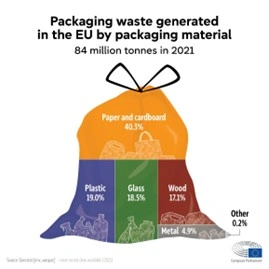
The explosive growth of e-commerce hasn’t just changed how people shop it has fundamentally reshaped packaging demand. What used to be bulk shipments to retail stores is now millions of individual deliveries, each requiring its own protective layers.
Every shipment is designed for risk avoidance, not waste reduction:
Returns culture makes this worse. In some sectors (like fashion), return rates can exceed 30–40%, effectively doubling packaging usage per purchase.
Business impact: More packaging = higher material costs, higher EPR fees, and increased scrutiny from regulators and consumers.
Right-sizing packaging and adopting reusable delivery systems can significantly cut both cost and waste.
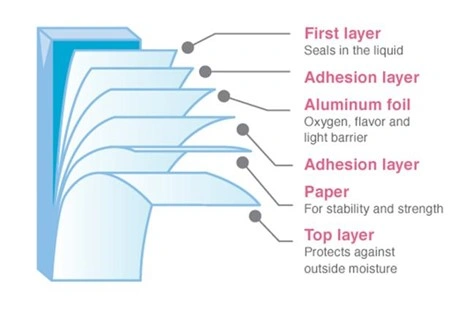
Despite innovation, the packaging ecosystem is still dominated by single-use materials, especially plastics and multi-layer composites. These materials are common because they’re:
But they’re also not designed for circularity.
Multi-material packaging (e.g., plastic + aluminium + paper laminates) is particularly problematic and impossible to separate at scale, making it effectively non-recyclable in most systems.
Why haven’t businesses shifted faster?
Business impact: Continued reliance on these materials increases future compliance risk as EU regulations push toward 100% recyclable or reusable packaging.
Transitioning to mono-materials and recyclable formats now avoids costly last-minute compliance changes later.
“Recyclable” doesn’t always mean actually recycled and that disconnect is a major driver of rising waste.
Across the EU, recycling systems are fragmented and inconsistent:
As a result, a significant portion of “recyclable” packaging still ends up:
The hidden problem: Businesses assume compliance because materials are technically recyclable, but regulators are shifting toward “real-world recyclability” standards.
Business impact: Misalignment between design and actual recycling infrastructure can lead to penalties, higher fees, and reputational risk.
Designing packaging based on local recycling capabilities (not theoretical recyclability) improves outcomes and compliance.
The EU has made sustainability a priority, led by initiatives from the European Commission, including the Circular Economy Action Plan. However, policy ambition and on-the-ground execution haven’t fully aligned.
Key challenges:
Now, the upcoming Packaging and Packaging Waste Regulation (PPWR) is set to change everything:
Many companies are still in reactive mode, waiting for final rules before acting.
Business impact: Delayed action leads to rushed transitions, higher compliance costs, and supply chain disruption.
Early movers can spread costs over time, secure better supplier partnerships, and gain a competitive edge.
Packaging waste in the EU isn’t rising because of one single factor it’s the result of systemic inefficiencies across logistics, materials, consumer behaviour, and regulation.
For businesses, this creates both a risk and a window of opportunity:
The next step isn’t just awareness it’s action.
Still Trying to Understand Where EU Packaging Regulations Are Heading?
Learn how CEAP will impact your business
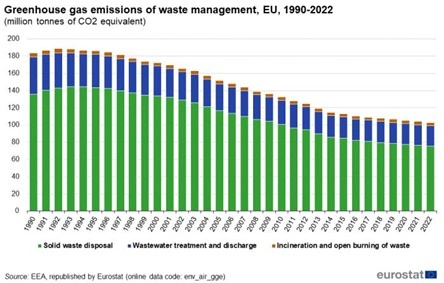
Packaging waste is not just a visibility issue it’s a systemic environmental burden that compounds at every stage of its lifecycle.
The bigger picture: As the EU pushes toward climate neutrality, packaging is becoming a high-impact target for emissions reduction and a key area regulators are watching closely.
Think Packaging Waste Is Just a Disposal Problem? Think Again.
Read our deep dive on the Hidden Environmental Costs of Packaging Waste
Ignoring packaging waste isn’t just unsustainable it’s increasingly expensive and operationally risky.
The hidden cost: Many businesses underestimate how quickly these expenses scale. What looks like a packaging decision today becomes a multi-layered cost center tomorrow.
Companies that optimize packaging early often see cost savings within 12–24 months, especially when reducing material usage and EPR exposure.
Sustainability is no longer a niche concern it’s a core buying factor, especially among younger and environmentally conscious consumers.
At the same time, sustainability can drive positive differentiation:
The shift: Packaging is no longer just functional it’s part of your brand story and customer experience.
Packaging waste is a triple threat environmental, financial, and reputational.
Businesses that treat packaging as a strategic lever not just an operational necessity are the ones that will reduce risk, unlock savings, and build long-term trust in a rapidly evolving EU market.
The rise in EU packaging waste isn’t just a compliance issue it’s a strategic inflection point. Companies that act now can reduce costs, avoid regulatory shocks, and position themselves as sustainability leaders. Here’s how to move from awareness to action:
Before making changes, you need full visibility into your current packaging ecosystem.
Identify:
Most businesses underestimate how inefficient their packaging is until they map it end-to-end.
Why it matters:
A detailed audit often reveals quick wins like reducing unnecessary layers or switching materials that can cut costs immediately while improving sustainability performance.
Linear packaging (produce → use → dispose) is becoming obsolete. The future is circular where materials are designed to stay in use.
Adopt:
Why it matters:
Circular packaging not only reduces environmental impact it also lowers EPR fees, transportation costs, and material spend over time.
The upcoming Packaging and Packaging Waste Regulation (PPWR), driven by the European Commission, will significantly reshape packaging requirements across the EU.
Stay ahead by aligning with:
Why it matters:
Waiting until regulations are enforced leads to rushed (and expensive) changes. Early preparation allows you to spread costs, avoid disruption, and maintain market access.
Don’t wait for compliance deadlines to dictate your strategy get ahead now with tailored, industry-specific solutions.
Explore our Paper, Pulp & Packaging Industry Solutions
Forward-thinking companies are already transforming their packaging—and seeing measurable results.
They’re achieving:
Why it matters:
Seeing real-world results reduces hesitation and accelerates decision-making for stakeholders.
Businesses that treat packaging as a strategic priority not just an operational necessity are the ones that will win in the evolving EU market.
The result? Lower costs, reduced risk, stronger brand positioning and a clear edge over competitors still playing catch-up.
Packaging waste in the EU is no longer just a sustainability issue it’s a strategic business challenge. With stricter regulations driven by the European Commission, rising operational costs, and rapidly shifting consumer expectations, companies that delay action risk higher compliance burdens, shrinking margins, and loss of market relevance.
The good news? This isn’t just a risk it’s a clear opportunity. Businesses that proactively rethink their packaging can unlock measurable value: lower material and logistics costs, reduced regulatory exposure, stronger ESG performance, and increased customer trust.
The companies that will lead the next decade aren’t the ones reacting to change they’re the ones designing for it.
Now is the moment to move from awareness to execution. By taking decisive steps today auditing your packaging, adopting circular models, and aligning with future regulations you don’t just stay compliant, you build a more resilient, efficient, and competitive business for the long term.
Packaging waste is increasing due to the rapid growth of e-commerce, widespread use of single-use and multi-material packaging, and inconsistent recycling systems across EU countries. These factors lead to higher consumption and lower recycling efficiency.
The main contributors include online shopping deliveries, plastic and composite packaging, excessive protective materials, and high product return rates especially in industries like fashion and electronics.
Packaging waste increases operational costs through material use, logistics, and rising Extended Producer Responsibility (EPR) fees. It also creates compliance risks under new EU regulations and can negatively impact brand reputation
The EU, led by the European Commission, is introducing stricter regulations such as the Packaging and Packaging Waste Regulation (PPWR), which sets targets for recyclability, waste reduction, and standardized labeling.
Businesses can reduce packaging waste by conducting packaging audits, switching to recyclable or reusable materials, optimizing packaging design, and aligning with circular economy principles and EU regulations.